Drive to Reimagine
Top 10 Trends Reforming Education 2025
Trends in education are teaching and learning methodologies that are relevant and beneficial to the people. Learn about the top 10 educational trends now.
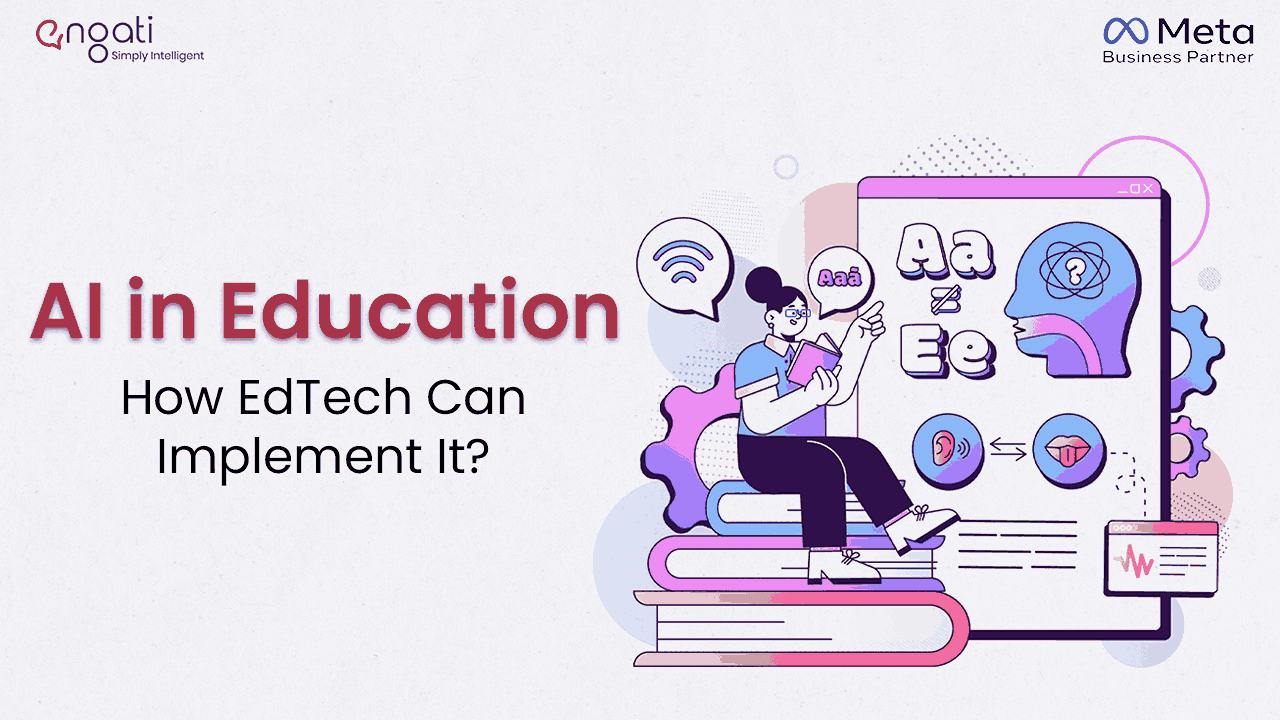
While I was in school, some 10-15 years back, one of our teachers brought a projector and screen to class. The moment the lights were dim and the projector turned on, our eyes lit up. Us kids never thought, explaining molecules could be this fascinating.
However, today, there is not a single classroom without technology in it. Not just simple technology but AI in education.
Students now have access to various interactive learning models on the app itself
AI in education can significantly enhance the administrative functions of EdTech firms, leading to improved efficiency, better decision-making, and increased lead generation. Here are several ways AI can aid administrative departments in achieving these goals:
AI-powered CRM systems can help EdTech firms manage interactions with current and potential customers more effectively. These systems can analyze customer data to identify patterns and predict future behavior, enabling more targeted marketing efforts.
AI can automate marketing tasks such as email campaigns, social media posts, and targeted advertisements. By analyzing user behavior and engagement, AI can tailor marketing messages to individual prospects, increasing the likelihood of conversion.
AI can help prioritize leads by scoring them based on their likelihood to convert. Machine learning algorithms can analyze various factors, such as engagement with marketing materials, demographic information, and online behavior, to identify high-potential leads. This allows sales teams to focus their efforts on the most promising prospects.
AI-powered chatbots can engage with website visitors in real-time, answering queries, providing information, and capturing lead information. These virtual assistants can operate 24/7, ensuring that potential leads are engaged and nurtured even outside of business hours.
AI can analyze historical data to predict future trends and behaviors. For administrative departments, this means being able to forecast demand for courses, identify periods of high inquiry volume, and prepare accordingly. This proactive approach can enhance lead generation efforts by ensuring that resources are allocated effectively.
AI can help personalize content for prospective customers. By analyzing user data, AI can recommend relevant blog posts, whitepapers, webinars, and other content that is likely to resonate with individual users. Personalized content increases engagement and helps move prospects through the sales funnel more effectively.
AI can enrich lead data by automatically filling in missing information and updating records with the latest data. This ensures that the sales and marketing teams have accurate and comprehensive information, enabling more effective outreach and follow-up.
AI can streamline the sales process by automating repetitive tasks such as scheduling meetings, sending follow-up emails, and generating reports. This frees up the sales team to focus on high-value activities such as building relationships and closing deals.
AI can provide deep insights into customer behavior and preferences. By analyzing data from various touchpoints, AI can help EdTech firms understand what drives conversions, which marketing strategies are most effective, and how to optimize the customer journey.
AI can continuously monitor the performance of marketing and sales activities, providing real-time feedback and insights. Automated reporting tools can generate detailed reports on campaign performance, lead conversion rates, and other key metrics, enabling data-driven decision-making.
AI is increasingly being integrated into education by various Edtech organisations, offering a range of applications to enhance learning experiences, improve administrative efficiency, and provide personalized education. Here are several examples of AI in education:
These examples illustrate how AI is transforming education by making learning more personalised, efficient, and accessible.
The future of AI in education holds transformative potential, with numerous advancements anticipated across various aspects of the educational experience. Here are some key areas where AI is expected to make significant impacts:
1. Personalized Learning
- Adaptive Learning Systems: AI will create highly personalized learning experiences by continuously adapting content, pace, and difficulty based on individual student needs and performance. This will ensure that each student can learn at their own pace and receive targeted support where needed.
- Intelligent Tutoring Systems: AI-powered tutors will provide one-on-one instruction tailored to the learner’s strengths and weaknesses, offering real-time feedback and personalized recommendations.
2. Enhanced Learning Materials
- Interactive and Immersive Content: The integration of AI with augmented reality (AR) and virtual reality (VR) will result in more immersive and interactive learning experiences. Students will be able to engage with simulations and virtual environments that bring complex concepts to life.
- Automated Content Creation: AI tools will assist educators in creating high-quality educational content, such as quizzes, interactive exercises, and multimedia presentations, making learning more engaging and effective.
3. Efficient Administrative Processes
- Automated Grading and Feedback: AI will streamline the grading process for both objective and subjective assessments, providing instant feedback to students and freeing up teachers to focus on instruction.
- Smart Scheduling and Resource Management: AI will optimize scheduling and resource allocation, ensuring that classes, facilities, and educational materials are used efficiently.
4. Data-Driven Insights
- Learning Analytics: AI will analyze vast amounts of educational data to provide insights into student performance, engagement, and learning outcomes. Educators will use these insights to tailor instruction and interventions more effectively.
- Predictive Analytics: AI will predict student success and identify at-risk students early, enabling timely interventions to support their learning and well-being.
5. Inclusive and Accessible Education
- Assistive Technologies: AI will develop advanced assistive technologies to support students with disabilities, such as speech-to-text, text-to-speech, and real-time translation services, making education more accessible.
- **Language Support**: AI will offer real-time translation and language learning tools, helping non-native speakers and students in multilingual classrooms.
6. Enhanced Teacher Support
- AI as a Teaching Assistant: AI will assist teachers by handling routine tasks like grading, answering common student questions, and managing administrative duties, allowing teachers to focus more on personalized instruction and student engagement.
- Professional Development: AI will provide personalized professional development resources for teachers, helping them stay updated with the latest educational trends and best practices.
7. Lifelong Learning and Skill Development
- Continuous Learning Platforms: AI will support lifelong learning by offering platforms that provide courses and resources tailored to individual career paths and personal growth.
- Skill Assessment and Development: AI will help individuals identify skill gaps and provide personalized learning recommendations to help them stay competitive in the job market.
8. Global Collaboration and Knowledge Sharing
- Global Learning Communities: AI-powered platforms will facilitate global collaboration among students and educators, allowing for the exchange of knowledge and ideas across borders.
- Open Educational Resources: AI will help curate and recommend high-quality open educational resources, making quality education more accessible worldwide.
9. Ethical Considerations and Data Privacy
- Ethical AI Practices: As AI becomes more integrated into education, there will be a strong focus on ethical practices, including transparency, fairness, and accountability in AI algorithms and applications.
- Data Privacy and Security: Ensuring the privacy and security of student data will be paramount. AI systems will need to be designed with robust data protection measures to safeguard sensitive information.
10. Research and Development
- Continuous Innovation: Ongoing research in AI and education will lead to the development of new tools and techniques to enhance learning and teaching.
- Interdisciplinary Collaboration: Collaboration between educators, technologists, and researchers will drive innovation and ensure that AI applications in education are both effective and aligned with pedagogical goals.
The future of AI in education promises to create more personalized, efficient, and inclusive learning environments. By leveraging AI's capabilities, the education sector can address many of its current challenges and unlock new opportunities for students, educators, and institutions alike.
By leveraging AI in these ways, administrative departments in EdTech firms can enhance their efficiency and effectiveness, ultimately driving more lead generation and contributing to the overall growth of the organization.
| Area | AI's Role | Teacher's Role |
|---|---|---|
| Personalized Learning | - Analyze student data for personalized learning paths | - Interpret AI insights to tailor instruction |
| - Provide tailored content and assignments | - Offer mentorship and address emotional needs | |
| - Adjust learning paths based on real-time progress | - Design interventions based on AI recommendations | |
| Grading and Feedback | - Automate grading for objective assessments | - Validate AI-generated grades and feedback |
| - Provide instant feedback on assignments | - Provide nuanced feedback on complex assignments | |
| - Analyze written work for grammar and plagiarism | - Focus on interactive teaching activities | |
| Classroom Management | - Track attendance and participation | - Implement AI suggestions in classroom |
| - Identify struggling or disengaged students | - Foster a positive classroom environment | |
| - Suggest activities and resources | - Address behavioral issues | |
| Curriculum Development | - Analyze trends and performance data | - Curate AI-recommended resources |
| - Suggest curriculum improvements | - Develop lesson plans integrating AI insights | |
| - Design adaptive learning modules | - Ensure cultural relevance and engagement | |
| Student Support and Guidance | - Provide 24/7 support through chatbots | - Offer personalized support and mentorship |
| - Offer career advice based on performance | - Build relationships to understand unique student needs | |
| - Identify at-risk students for intervention | - Coordinate with parents and counselors | |
| Professional Development for Teachers | - Analyze teaching practices and outcomes | - Engage with AI-driven feedback |
| - Recommend professional development resources | - Participate in recommended development activities | |
| - Identify areas for improvement | - Share insights with peers | |
| Enhancing Student Engagement | - Create interactive, gamified learning experiences | - Facilitate and guide interactive experiences |
| - Analyze engagement data | - Adjust strategies to enhance engagement |
The future of AI in education holds transformative potential, with numerous advancements anticipated across various aspects of the educational experience. Here are some key areas where AI is expected to make significant impacts:
1. Personalized Learning
- Adaptive Learning Systems: AI will create highly personalized learning experiences by continuously adapting content, pace, and difficulty based on individual student needs and performance. This will ensure that each student can learn at their own pace and receive targeted support where needed.
- Intelligent Tutoring Systems: AI-powered tutors will provide one-on-one instruction tailored to the learner’s strengths and weaknesses, offering real-time feedback and personalized recommendations.
2. Enhanced Learning Materials
- Interactive and Immersive Content: The integration of AI with augmented reality (AR) and virtual reality (VR) will result in more immersive and interactive learning experiences. Students will be able to engage with simulations and virtual environments that bring complex concepts to life.
- Automated Content Creation: AI tools will assist educators in creating high-quality educational content, such as quizzes, interactive exercises, and multimedia presentations, making learning more engaging and effective.
3. Efficient Administrative Processes
- Automated Grading and Feedback: AI will streamline the grading process for both objective and subjective assessments, providing instant feedback to students and freeing up teachers to focus on instruction.
- Smart Scheduling and Resource Management: AI will optimize scheduling and resource allocation, ensuring that classes, facilities, and educational materials are used efficiently.
4. Data-Driven Insights
- Learning Analytics: AI will analyze vast amounts of educational data to provide insights into student performance, engagement, and learning outcomes. Educators will use these insights to tailor instruction and interventions more effectively.
- Predictive Analytics: AI will predict student success and identify at-risk students early, enabling timely interventions to support their learning and well-being.
5. Inclusive and Accessible Education
- Assistive Technologies: AI will develop advanced assistive technologies to support students with disabilities, such as speech-to-text, text-to-speech, and real-time translation services, making education more accessible.
- Language Support: AI will offer real-time translation and language learning tools, helping non-native speakers and students in multilingual classrooms.
6. Enhanced Teacher Support
- AI as a Teaching Assistant: AI will assist teachers by handling routine tasks like grading, answering common student questions, and managing administrative duties, allowing teachers to focus more on personalized instruction and student engagement.
- Professional Development: AI will provide personalized professional development resources for teachers, helping them stay updated with the latest educational trends and best practices.
7. Lifelong Learning and Skill Development
- Continuous Learning Platforms: AI will support lifelong learning by offering platforms that provide courses and resources tailored to individual career paths and personal growth.
- Skill Assessment and Development: AI will help individuals identify skill gaps and provide personalized learning recommendations to help them stay competitive in the job market.
8. Global Collaboration and Knowledge Sharing
- Global Learning Communities: AI-powered platforms will facilitate global collaboration among students and educators, allowing for the exchange of knowledge and ideas across borders.
- Open Educational Resources: AI will help curate and recommend high-quality open educational resources, making quality education more accessible worldwide.
9. Ethical Considerations and Data Privacy
- Ethical AI Practices: As AI becomes more integrated into education, there will be a strong focus on ethical practices, including transparency, fairness, and accountability in AI algorithms and applications.
- Data Privacy and Security: Ensuring the privacy and security of student data will be paramount. AI systems will need to be designed with robust data protection measures to safeguard sensitive information.
10. Research and Development
- Continuous Innovation: Ongoing research in AI and education will lead to the development of new tools and techniques to enhance learning and teaching.
- Interdisciplinary Collaboration: Collaboration between educators, technologists, and researchers will drive innovation and ensure that AI applications in education are both effective and aligned with pedagogical goals.
The future of AI in education promises to create more personalized, efficient, and inclusive learning environments. By leveraging AI's capabilities, the education sector can address many of its current challenges and unlock new opportunities for students, educators, and institutions alike.

Drive to Reimagine
Trends in education are teaching and learning methodologies that are relevant and beneficial to the people. Learn about the top 10 educational trends now.
Business Transformation
Since ChatGPT is the latest technology to come into classrooms, it automatically becomes a part of EdTech. This article explores its potential in the domain.
Drive to Reimagine
Engati has compiled a list of 11 EdTech tools that are necessary for an institute to improve communication, cooperation, and overall quality of education.