Whatsapp Marketing
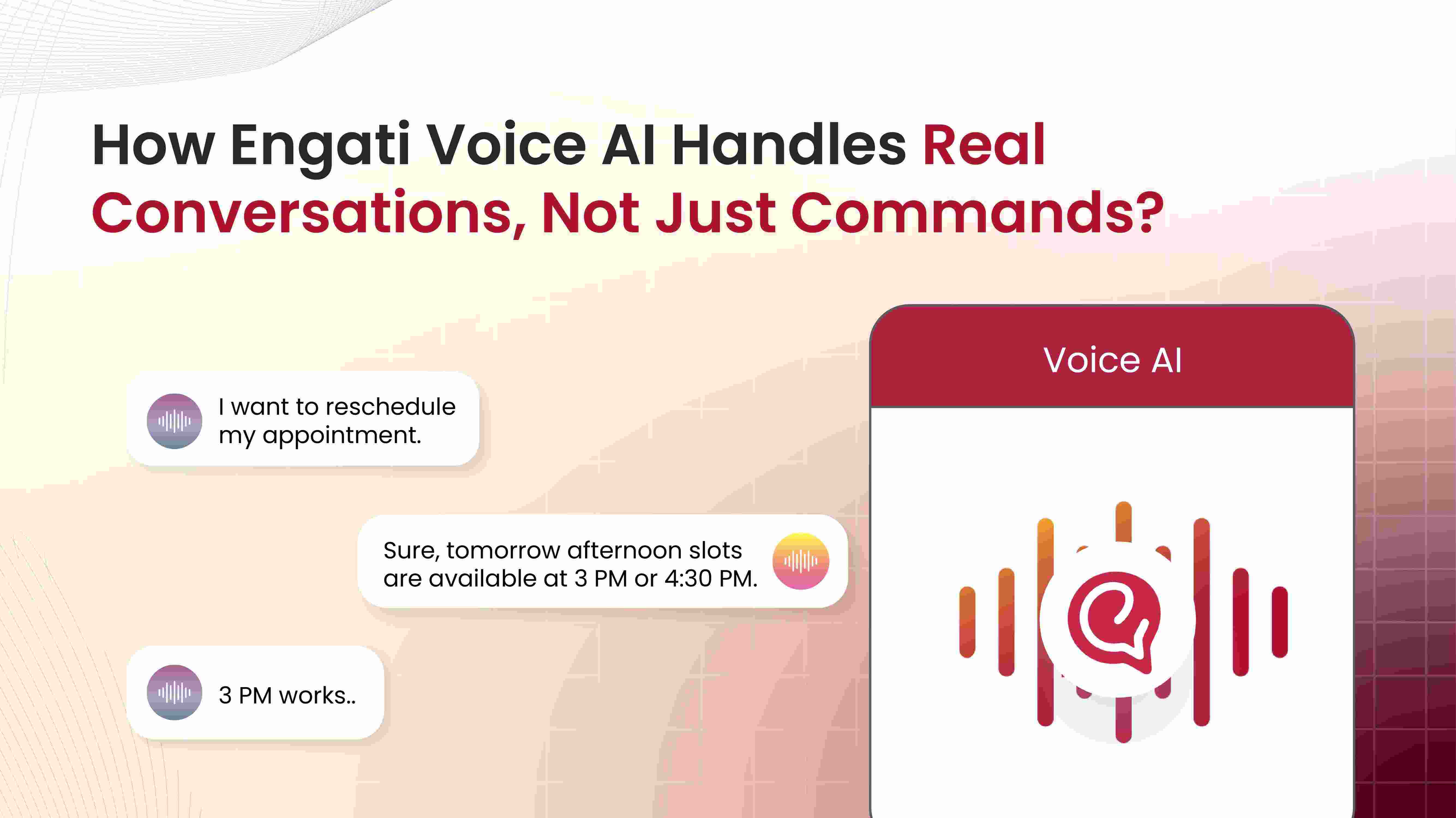
How Engati Voice AI Handles Real Conversations, Not Just Commands
Discover how Engati Voice AI enables real, human-like conversations, moving beyond commands to improve customer experience, engagement, and conversions.
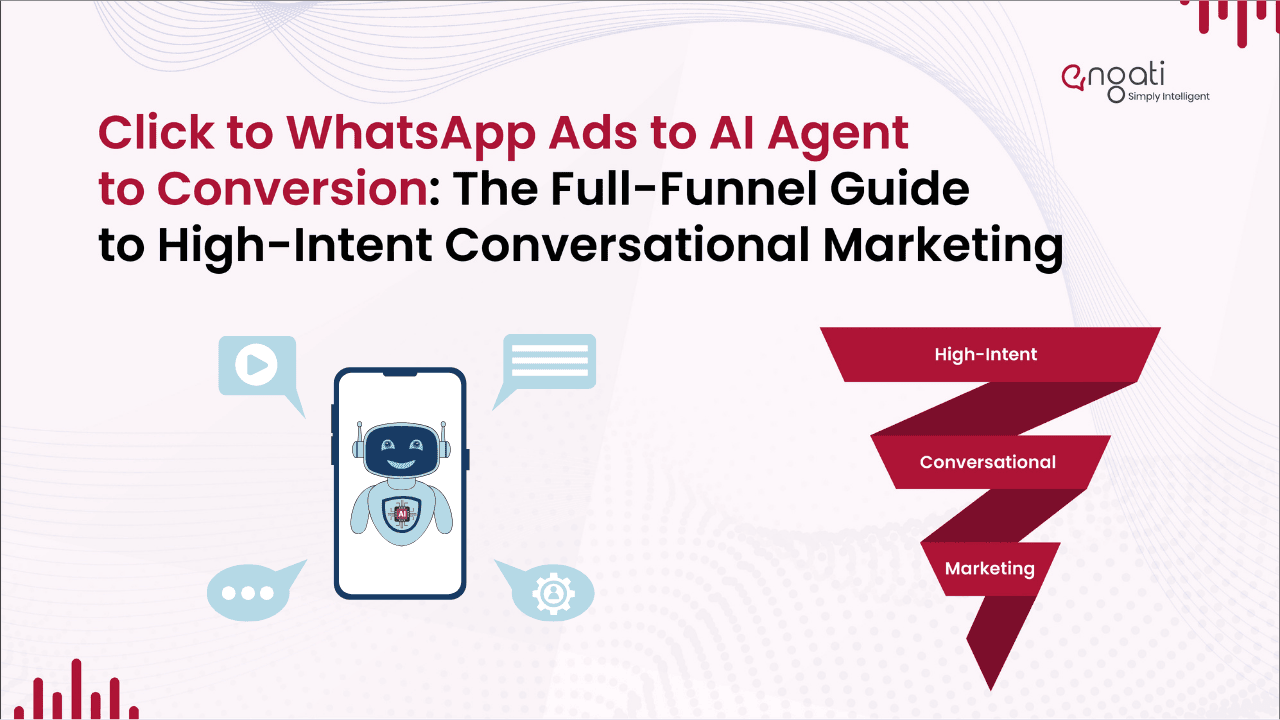
Performance marketing is shifting away from traditional landing pages toward real-time conversational engagement. Instead of sending prospects through long forms or static websites, businesses are increasingly using Click to WhatsApp Ads to move users directly into messaging conversations, where engagement is higher, friction is lower, and conversion opportunities happen faster.
But conversations alone don’t scale. Manual handling of inbound chats quickly overwhelms marketing and sales teams, causing delays that reduce conversion rates. This is where AI agents on WhatsApp transform the funnel. By automating responses, qualifying leads instantly, and guiding users toward conversion actions, businesses can turn ad clicks into measurable revenue outcomes.
A well-designed Click to WhatsApp, AI Agent, Conversion funnel combines paid acquisition with conversational automation, creating a high-intent, real-time engagement channel that bridges marketing and sales.
A conversational funnel begins when users click an ad that opens a WhatsApp conversation instead of a website. From there, an AI agent engages the prospect immediately, asking questions, understanding intent, and guiding them toward a desired outcome such as booking a demo, making a purchase, or requesting a callback.
Users are more likely to respond within messaging platforms than on static forms. Conversational interactions feel natural, interactive, and immediate, increasing response rates and time spent engaging with the brand.
AI agents respond instantly to every new chat, ensuring prospects receive immediate attention. Faster engagement significantly improves conversion rates compared to delayed human follow-ups.
AI agents ask contextual questions that identify qualified prospects quickly. Instead of sending all leads to sales teams, only high-intent users move forward — improving pipeline quality and reducing operational load.
Traditional funnels lose prospects between ad click, form submission, and follow-up calls. Conversational funnels reduce these friction points by guiding users through every step inside a single messaging experience.
Every conversation provides valuable insights into customer objections, preferences, and purchase triggers. Marketers can refine targeting, messaging, and ad creatives using real-time conversation analytics.
AI agents act as conversational assistants that guide prospects through structured workflows. A typical automated journey might include:
By automating repetitive conversations while maintaining a human-like tone, AI agents keep prospects engaged until they are ready to convert.
These use cases highlight how conversational funnels bridge the gap between marketing campaigns and operational outcomes.
To maximise performance marketing ROI, businesses should follow a structured implementation approach:
A well-designed conversational funnel reduces friction while maintaining personalisation, a key factor in improving conversion performance.
Avoiding these pitfalls ensures conversational funnels remain aligned with measurable marketing outcomes.
Conversational funnels are evolving rapidly as AI capabilities improve. Emerging trends include:
As businesses compete for attention in crowded digital channels, conversational funnels offer a more interactive, human-centred way to convert prospects.
By combining performance marketing with AI-driven conversational engagement, businesses can transform ad clicks into meaningful conversations and conversations into measurable conversions. This full-funnel approach aligns acquisition, qualification, and revenue generation into a single scalable system designed for modern customer behaviour.
Whatsapp Marketing
Discover how Engati Voice AI enables real, human-like conversations, moving beyond commands to improve customer experience, engagement, and conversions.
Whatsapp Marketing
Learn how WhatsApp Voice AI turns customer voice notes into automated conversations, helping businesses improve engagement, speed up responses, and scale.
Whatsapp Marketing
Uncover the strategies and best practices for leveraging WhatsApp to its full potential. Ensure your marketing efforts are both effective and customer-centric.