AI Agents
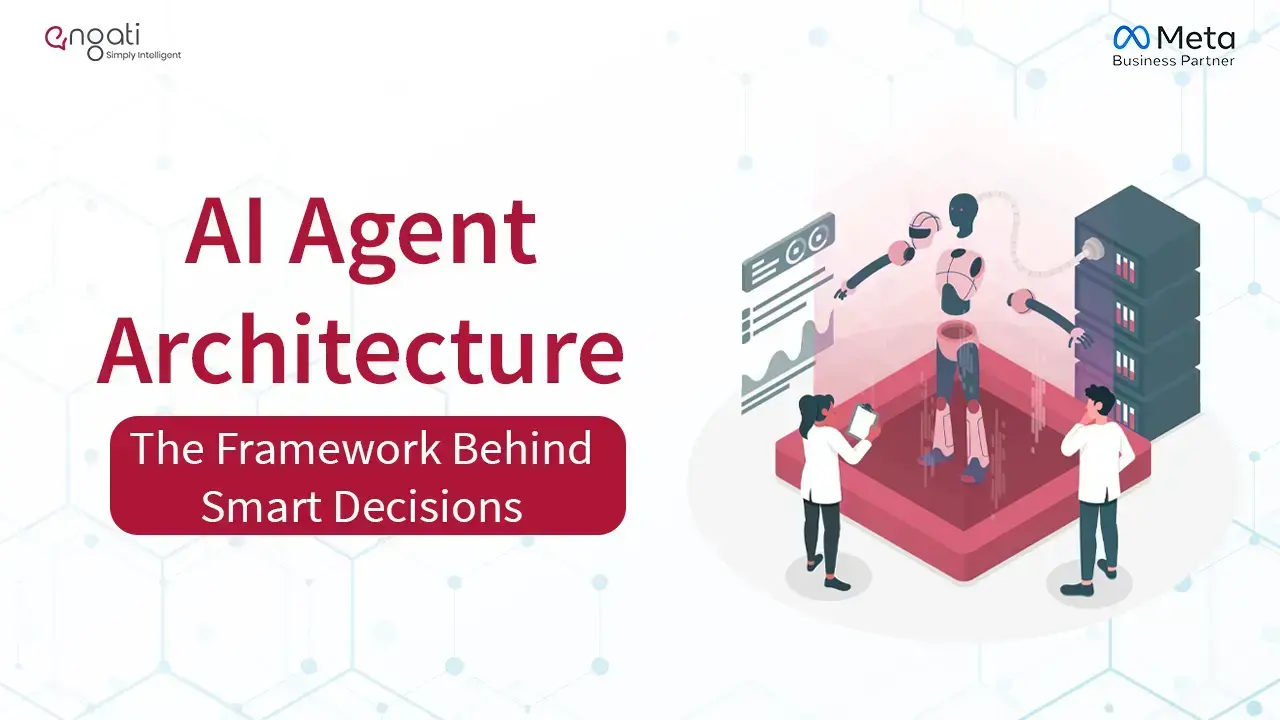
AI Agent Architecture: The Framework Behind Smart Decisions
Agent Architecture is a framework that processes information, makes decisions & interacts with its environment. Discover purpose, components, functions here.
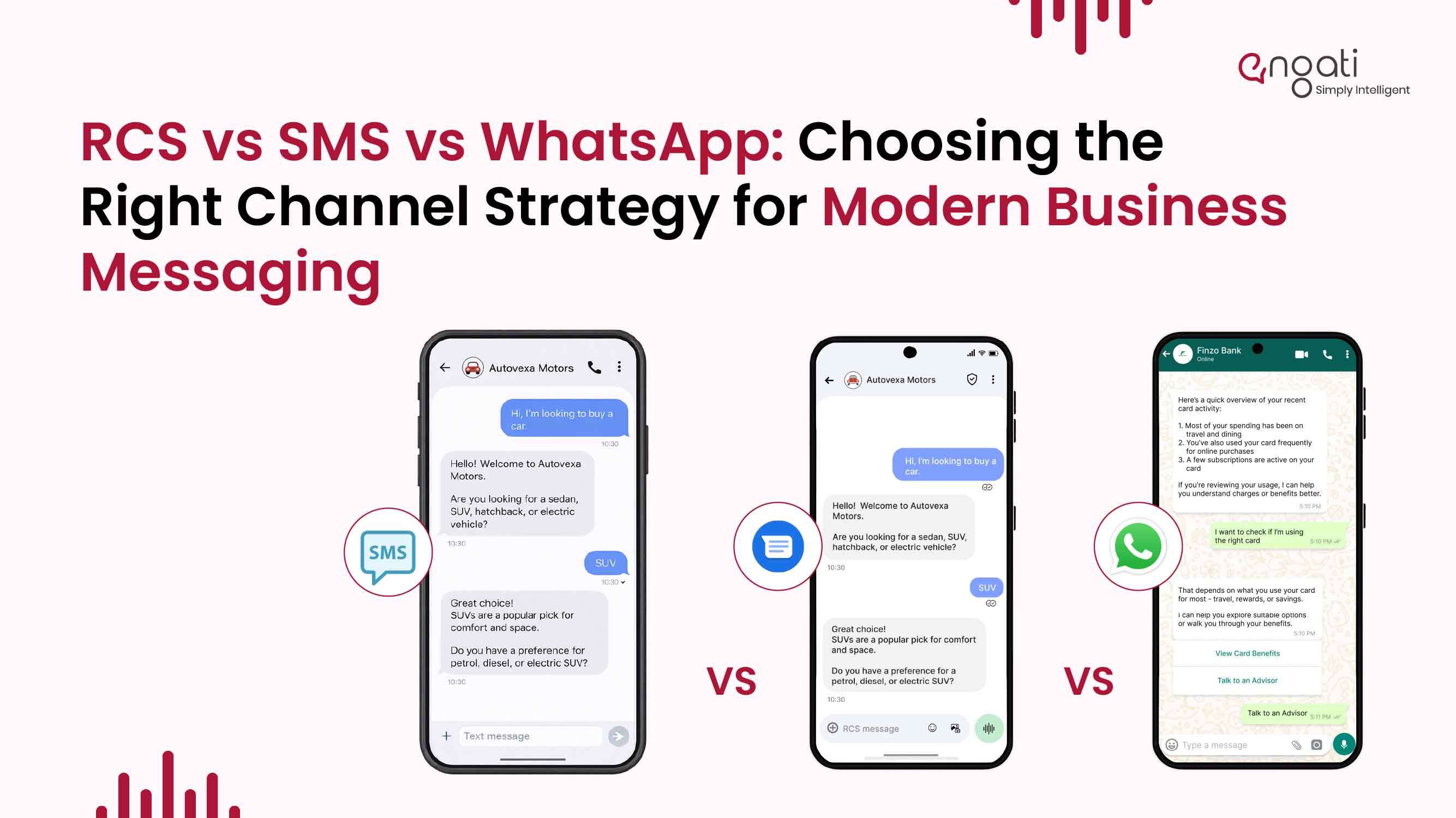
Customer communication has shifted dramatically from email and phone calls toward real-time messaging. Businesses today rely on messaging channels to send updates, provide support, run marketing campaigns, and drive conversions. But with multiple options available, including RCS, SMS, and WhatsApp, many organisations struggle to determine which channel delivers the best results for their specific goals.
Choosing the wrong channel can lead to poor engagement, high costs, limited personalisation, and missed revenue opportunities. On the other hand, a well-designed channel strategy helps businesses increase response rates, improve customer experience, and create scalable conversational journeys across marketing, sales, and support functions.
This guide compares RCS, SMS, and WhatsApp messaging across capabilities, use cases, and strategic considerations so organisations can build a future-ready communication strategy.
Before comparing channels, it’s important to understand how each one works within the messaging ecosystem.
SMS (Short Message Service) is the most traditional and widely supported messaging channel. It allows businesses to send text messages directly to customers' phones without requiring internet connectivity or app installations. SMS is simple, reliable, and ideal for transactional communication.
RCS (Rich Communication Services) is often described as the next evolution of SMS. It enables rich media messages, branded interactions, interactive buttons, carousels, and conversational experiences directly within the native messaging app on Android devices.
WhatsApp Business Messaging provides app-based conversational messaging with multimedia support, automation, and real-time chat experiences. Businesses can run marketing campaigns, customer service conversations, and AI-driven workflows through WhatsApp conversations.
Each channel offers unique advantages depending on the communication objective, audience behaviour, and level of interactivity required.
For businesses focused on engagement and interactive journeys, RCS and WhatsApp provide a significantly more immersive experience than SMS.
SMS remains the best option for guaranteed reach, while WhatsApp excels in markets with high app adoption and smartphone penetration.
Businesses planning to deploy conversational AI or automated engagement strategies often prefer RCS or WhatsApp over SMS.
For marketing campaigns and product discovery experiences, RCS and WhatsApp offer far greater creative flexibility.
Choosing the right channel often depends on whether the goal is reach, engagement, or conversion.
SMS remains highly effective for:
Its simplicity and reliability make it a foundational messaging layer, especially in regions with varied device capabilities.
RCS works best for:
RCS is particularly valuable for Android-heavy markets and businesses seeking to modernise SMS experiences with richer capabilities.
WhatsApp excels in scenarios where continuous conversations are important:
Its conversational nature and global adoption make it a powerful platform for building long-term customer relationships.
Rather than viewing RCS, SMS, and WhatsApp as competing channels, many organisations use them together as part of a unified messaging ecosystem:
By orchestrating channels based on customer preferences and campaign objectives, businesses can maximise reach while delivering personalised experiences.
Avoiding these mistakes helps organisations design messaging strategies that balance reach, engagement, and operational efficiency.
Messaging platforms are evolving toward unified conversational ecosystems where voice, chat, rich media, and AI-driven workflows operate seamlessly across channels. Emerging trends include:
Businesses that adopt multi-channel messaging strategies early will be better positioned to meet changing customer expectations and drive long-term engagement.
There is no single “best” messaging channel, only the best strategy based on your audience, objectives, and desired customer experience. SMS provides unmatched reach and reliability, RCS offers rich interactive engagement within native messaging apps, and WhatsApp enables deep conversational relationships with customers.
Organisations that align channel selection with communication goals, transactional alerts, marketing campaigns, or conversational automation can build scalable messaging ecosystems that drive engagement, improve customer satisfaction, and increase conversion outcomes across the entire customer journey.
AI Agents
Agent Architecture is a framework that processes information, makes decisions & interacts with its environment. Discover purpose, components, functions here.
AI Agents
Whatsapp Marketing
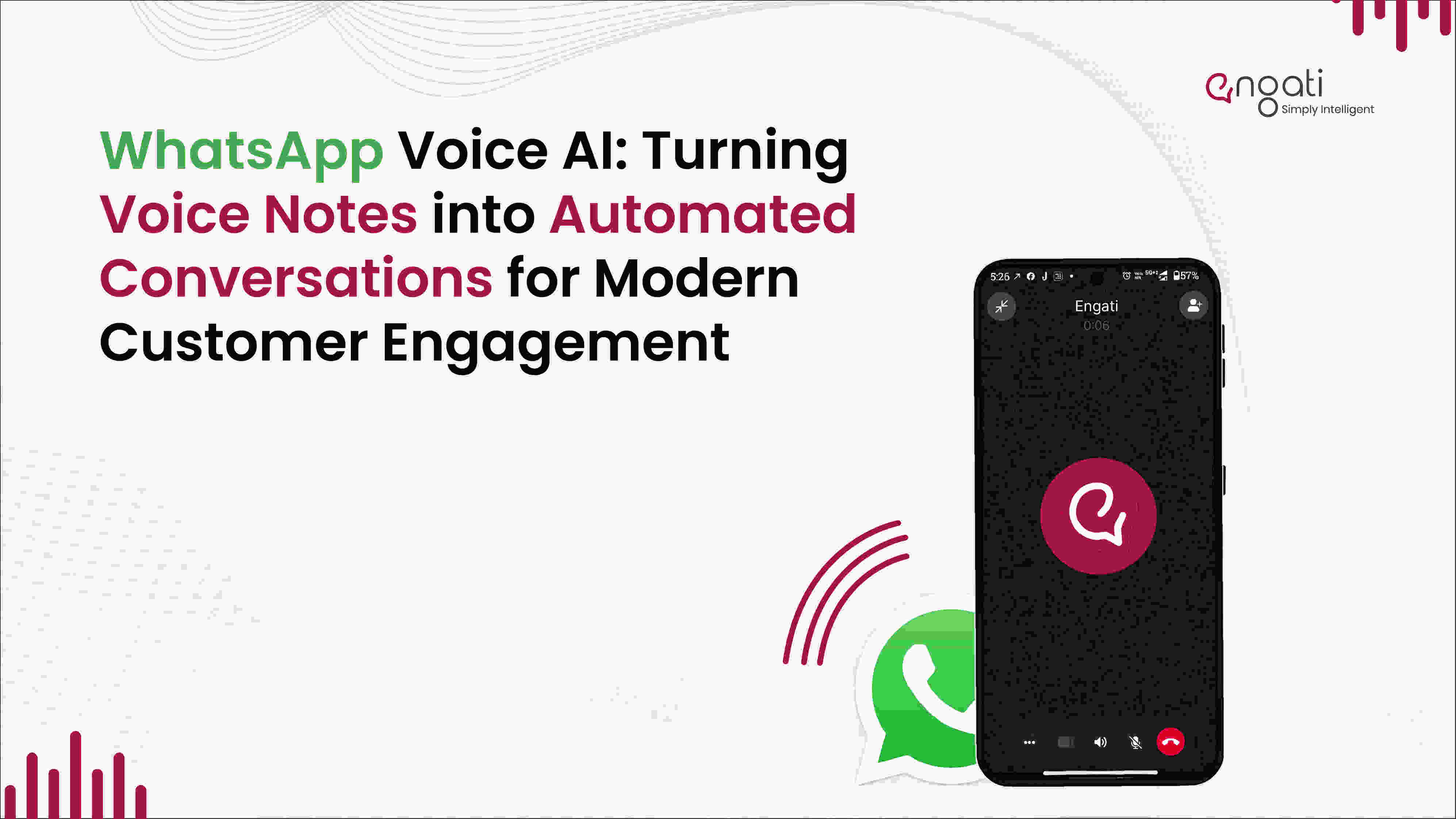
Learn how WhatsApp Voice AI turns customer voice notes into automated conversations, helping businesses improve engagement, speed up responses, and scale.