Drive to Reimagine
Cart abandonment: Save yourself from your worst nightmare
Cart Abandonment does not need to be your worst nightmare anymore. It can be solved. Here's are the reasons for cart abandonment and the ways to fix them.
An abandoned checkout is when one of your customers adds a product to their cart, proceeds to the checkout step, enters all their information, and then decides to not make the purchase.
The shopper goes through the entire buying journey, searching for the product (or engaging with an advertisement on your social media), visits your online store to look at your offerings, explores your shop to take a closer look at several of your offerings to see if you have anything that they do want at a price that they are comfortable with, finds something they would like to purchase, adds the product to their cart, starts the checkout process by entering their shipping and payment information, but then decides against making the purchase and just quits the buying process at that point.
It’s actually a very common assumption that cart abandonment and checkout abandonment are the same thing. The main difference between the two is that checkout abandonment involves the customer reaching the checkout stage and entering their information before they change their mind and abandon the purchase, while cart abandonment involves the customer adding products to their cart and then abandoning the cart at any stage that comes before the checkout stage.
You can calculate your cart abandonment rate with the following formula,
Divide the total number of completed purchases by the number of shopping carts created
There are many reasons why a user might abandon their cart during the checkout process. Some common reasons include:
Before dealing with an abandoned checkout, it is necessary to analyse and find out why they are happening. You need to understand what is causing the checkout step to be abandoned.
You should review your customers’ buying behaviour to detect any patterns that are stopping them from checking out, like unexpected costs, technical issues, or complicated checkout process.
Identify your abandoned checkouts by using analytic tools or reports from your eCommerce website, you can detect the instances where a customer has added products to their carts and abandoned it during checkout.
For instance, on Shopify you can check your abandoned cart data with ease, simply by going to your Shopify admin, clicking on ‘Orders’ and then clicking on the ‘Abandoned Checkouts’ icon. This helps analyse your checkout abandonment issues, and plan strategies to deal with it.
Here are some easy steps for handling checkout abandonment-
You can send out creative promotional emails to shoppers who abandon checkouts. Remind them that they haven’t completed their purchase and offer them the chance to go back and continue their purchase. The easiest way for you to do this is by sending them a link that takes them to the exact stage they were at before they left. Here is a sample email template,
Subject Line: Abandonment issues? Us too! But seriously, finish your purchase.
Hey {{name}},
Your shopping bag has some serious abandonment issues.
Save these items from hours of therapy and give them a loving home!
CTA: View my order.
A good abandoned checkout recovery mail is very personalised towards the customer and is based on the insights that gathered when you review your abandoned checkouts.
You can manually send these emails yourself, or even set up a flow that automatically triggers a checkout abandonment email whenever your customers abandon checkouts.
A long checkout process in an online store is like waiting in the billing line in a physical store, and customers are tired of it.. After they make the purchase decision, they want to make the actual purchase as quickly as possible and then get on with their day without needing to wait any longer. There’s also the fact that a longer checkout process offers your shoppers more time and chances to rethink their purchase decision and change their mind about buying that product from your store.
A longer checkout process builds frustration and ruins the customer’s mood. An ideal checkout process is short around 3 steps, which enhances the customer’s overall experience with your store.
A smoother and shorter checkout process can make it easy for your customers to actually proceed with their order before they change their mind..
This builds on the previous point. People don’t want to go down a long, stretched out checkout process. They are literally bored of having to do that, and if they suspect that they’ll have to deal with such a process, they may change their mind. So, how do you convince them to keep going?
The answer is to show them how far they’ve come and let them see that they’ve nearly reached the end. Navigate your customers until the final step. Include a progress indicator on the page to get them to keep going and complete the checkout process instead of abandoning their purchase.
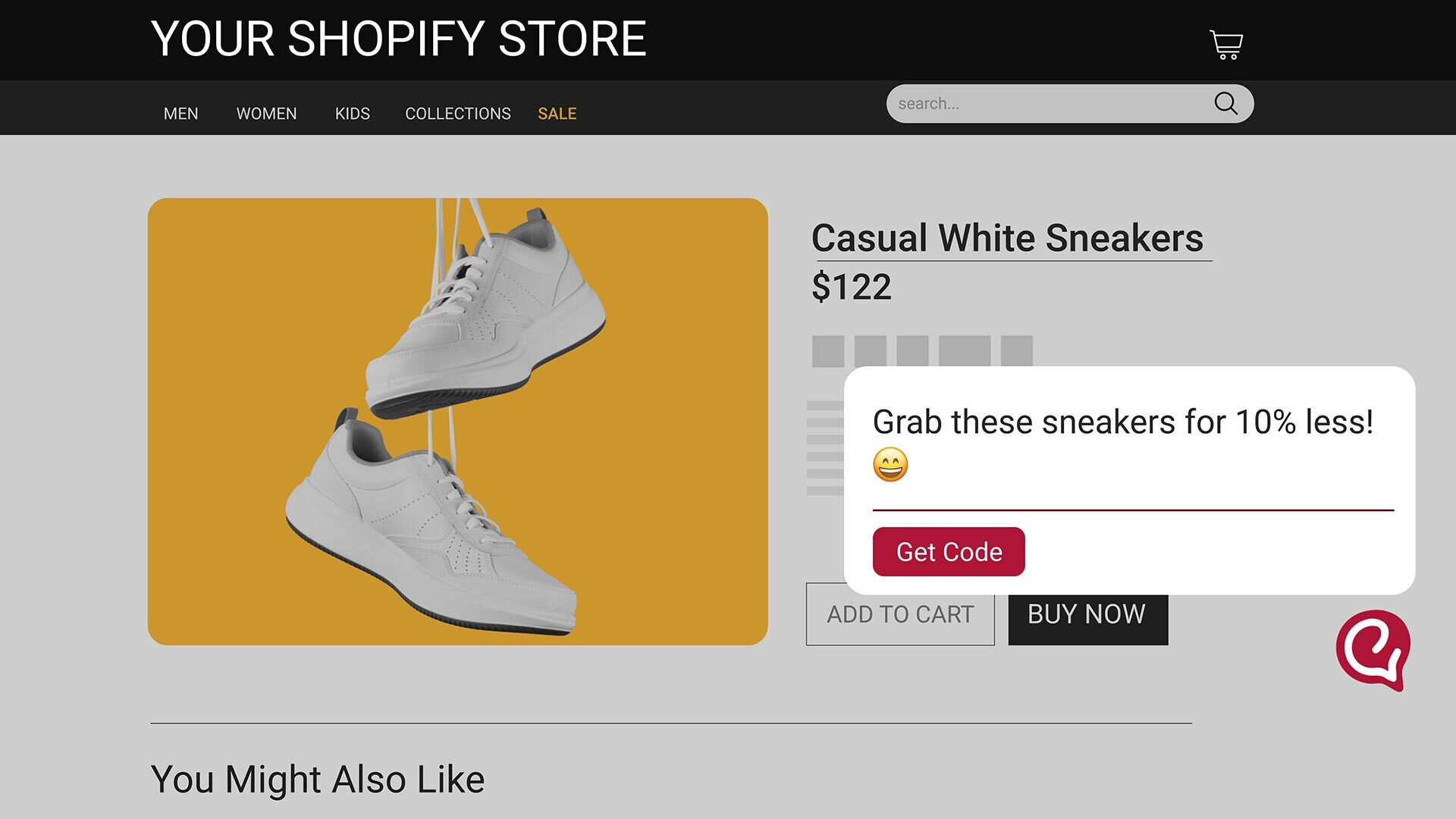
Sometimes your customers might just end up quitting the buying process because they decided that they don’t want to pay that much for a product. These are the customers that you can convert with the least effort. If you have a Shopify store and use the Engati app, your chatbot can shoot out a call-out message with a discount or promotional offer on your store’s screen itself as soon as a customer removes a product from their cart.
It is necessary to remind your customers about their abandoned checkout. WhatsApp has an open rate of 99% and an engagement rate of 70%. With Engati in 5 easy steps you can design your own WhatsApp chatbot to send out personalised messages to your customers. These messages can include discount offers which increases your odds of recovering those carts far more than emails.
Customers love saving money, especially if your store is providing free shipping or running any discounts. It’s more effective to show the total savings to your customers, it’s a positive affirmation and shows how much value is being added to their purchase.
Customers might have issues or concerns about their purchases, if these issues aren’t solved in time, your customer will simply leave your website. Having live chat support will help your customers get such queries and doubts resolved quickly, which will avoid checkout abandonments.
But answering all of their queries frequently at all times is not humanly possible, but for a bot everything is possible. With Engati, you can simply use a bot to handle all of these queries at any time. This will help keep your customers satisfied.
If the customer is unable to trust your store, then they are highly likely to not go ahead with their purchase. In order to build their trust in your store, you can collect reviews and testimonials from the customers who have previously purchased your products.. Additionally, you can provide images of those satisfied with the product.
Most times an abandoned checkout is also caused due to a failure in payment. For such times, it is very helpful to have a record of such payment events. By reviewing the details of such payments, you can help assist the customers facing these issues. This way you can bring in those customers and navigate them to complete the purchase.
Customers are always looking for opportunities to save money. If your eCommerce store does not provide them with discounts they will abandon their carts and look for it elsewhere. Providing them with incentives on their purchase like free shipping, can help increase the conversions. Ensure that your retargeting mails and messages include such discounts and promos in it.

Drive to Reimagine
Cart Abandonment does not need to be your worst nightmare anymore. It can be solved. Here's are the reasons for cart abandonment and the ways to fix them.
Drive to Reimagine
If your conversion rate isn't high, trying to send more traffic to your store might be a waste. Here's what you can do to improve your Shopify conversion rate.
Drive to Reimagine
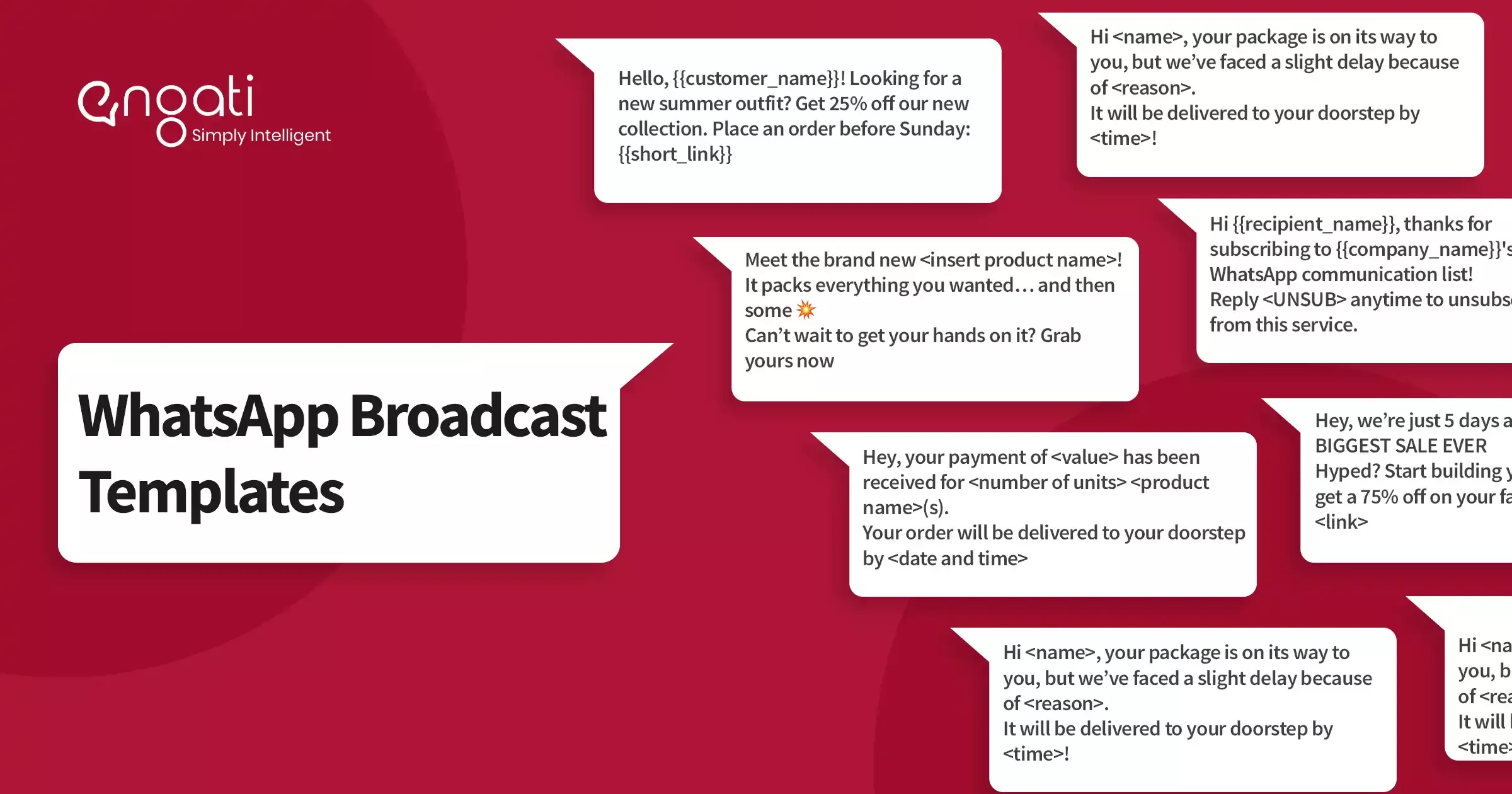
Looking for WhatsApp broadcast templates to use for your eCommerce store? Here are some you can use for product launches, cart abandonment notifications & more.