Whatsapp Marketing
Create WhatsApp Bot for Free in 5 Mins With No Code (2025)
Learn how to create a WhatsApp bot in 5 minutes with easy steps. Discover WhatsApp integration tips, explore use cases & get a chatbot demo with free trail.
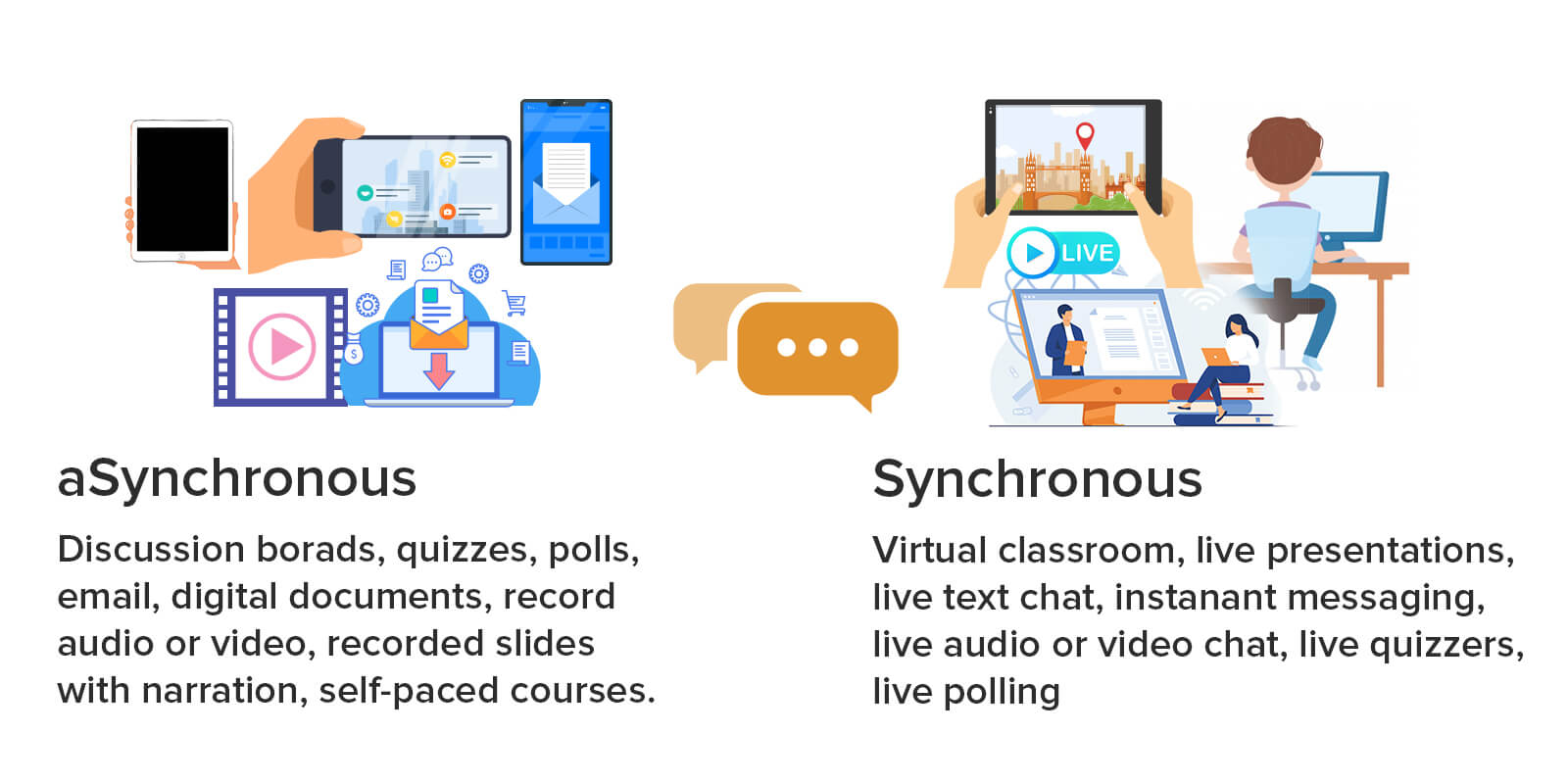
Asynchronous Messaging is a communication technique where a message is put in a message queue and does not require an immediate reply to move forward with processing. It is critical when propagating changes across several microservices and their connected domain models. Asynchronous communication doesn't need both parties to be present and speaking or reverting at the same time, unlike synchronous messaging where both the parties are in a constant exchange of messages.
Some customer queries are complex that can't be solved in one sitting or need multiple agents to solve them. Asynchronous messaging allow the customer service team to take required pauses and breaks while solving a customer query.
When communicating through asynchronous messaging, a customer makes a command or a request to a service by sending them a message or an information request. It's up to the service provider to reply to the information request at their own pace. The average response rate over asynchronous messaging differs from brand to brand; however, the quicker they respond better the customer experience.

Asynchronous messaging automatically saves the conversation threads as standard. The basic idea of asynchronous messaging is that you can leave and board the chat whenever you want without losing messages/context or progress.
Asynchronous messaging allows customer service reps to respond to customer queries at their convenience. This means they can check messages from the queue, find out any info they need, and revert when they aren’t busy with other things.
Asynchronous messaging lets customers simply chat with the representative at their own pace. Customers can drop and pick up the conversation whenever they want without losing the context.
Synchronous messaging is a live one-to-one conversation method, where messages have a specified beginning and end, putting it in the context of customer support, the representative would solve the customer’s issue and end the conversation. This method of communication includes live chat, one-to-one messaging, or live calls.
Synchronous messaging is suitable for handling customer queries that can be solved in one sitting. However, it doesn't turn out well in reality due to the different abilities of customer service agents and the success rate of closing the tickets.
Because if a customer talks to a representative and if the representative doesn’t have the expertise to solve the customer’s problem, the situation gets escalated, and the customer is handed off to someone else which might turn out to be a bad experience for him/her/them.
Asynchronous Messaging on the other hand doesn’t require both parties to be present and talking at the same time. Customer service representatives can take their time to respond to the customer query and close the ticket at their convenience. Even customers won't expect quick replies to the service requests and issues and can wait for the answers.
Under asynchronous messaging, the system creates a queue of incoming requests and addresses them one after another as per their internal mechanism. Communication here includes service requests for demos, prospects or product details, etc.
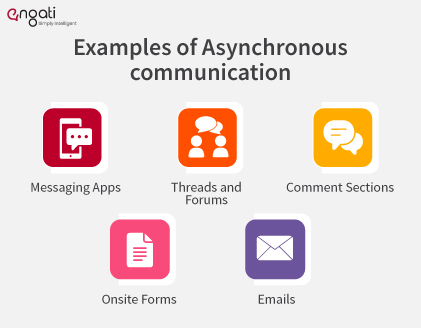
Customers can reach out to brands on messaging apps like, WhatsApp, Twitter, Instagram, or Facebook and pose their questions or queries there. It's up to the brand to reply to them at their convenience in a given time frame.
Threads and forums become an open platform for brands and customers to interact without conversing with each other at the same time.
Social media has given freedom/ an option to customers to engage with brands without jumping to their website or calling them in.
Customers can request information through onsite forms or put across their queries by simply visiting the official website.
Emails are another way to communicate without being present at the same time on the same platform. A customer service rep can take advantage or put a gap before reverting to the customer's mail.
Whatsapp Marketing
Learn how to create a WhatsApp bot in 5 minutes with easy steps. Discover WhatsApp integration tips, explore use cases & get a chatbot demo with free trail.
Drive to Reimagine
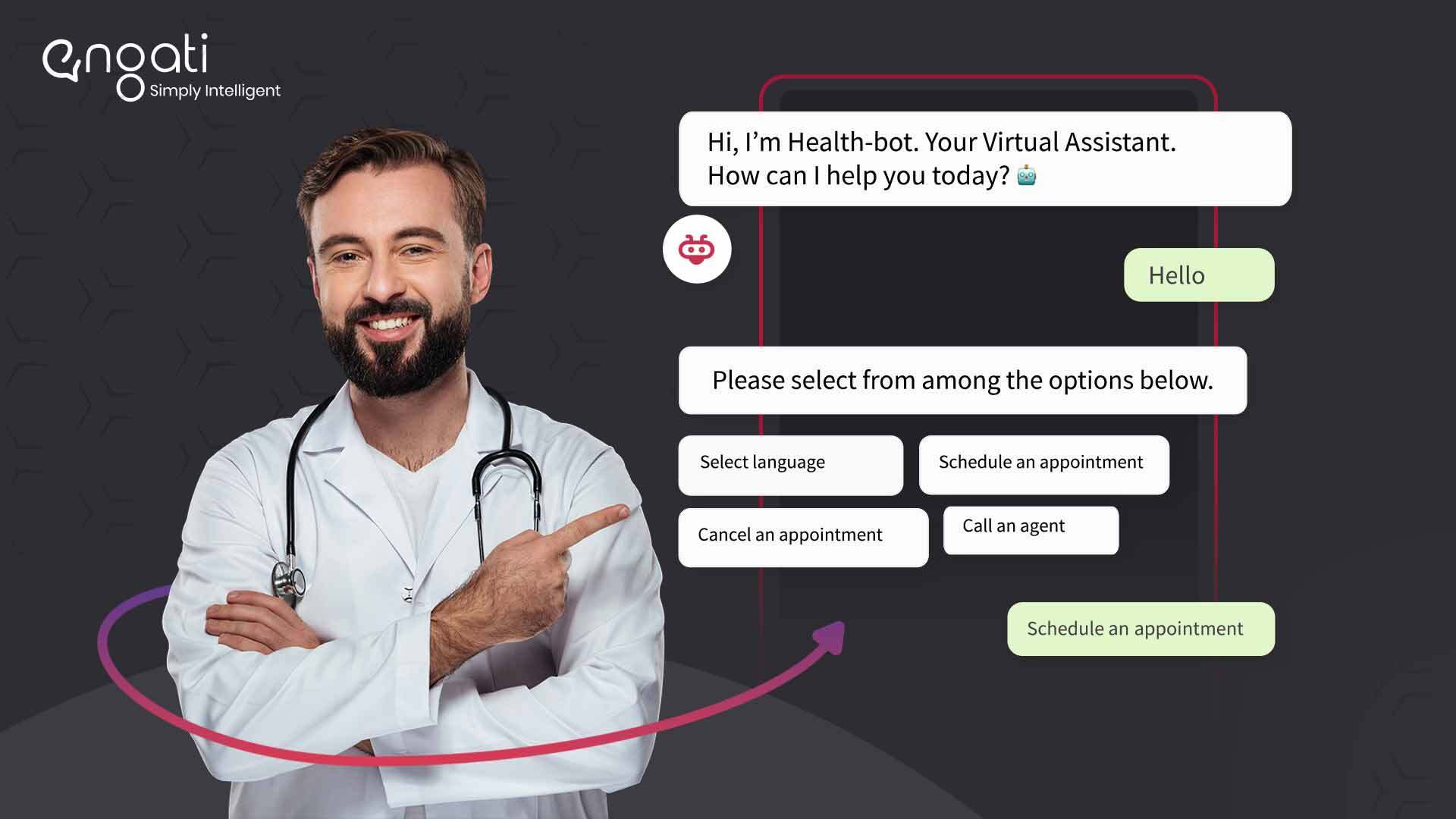
WhatsApp chatbots are benefiting the healthcare industry in many ways. Here are some of the ways in which these intelligent bots are creating a huge impact.
Business Transformation
EXCLUSIVE list of 222 top influencers who have excelled in their fields & have been an inspiration to all of us. They should be in your “to follow” list of 2024