Drive to Reimagine
Are chatbots in education the new ‘in’ thing?
Chatbots in education are providing a personalised learning environment to students, and technology is upgrading the way they learn and absorb information.
Attributes are data points associated with a user or relevant for the conversation. These attributes are persistent unless they are cleared or overridden explicitly.
The use of attributes in Engati is of utmost importance since all conversations with every user occur within the platform.
Therefore, Engati stores attributes along with the language data. These attributes contain additional information that can be used as variables for storing data related to a path execution. For example – an email or username of a user, their ordered items, quantity and delivery address for a pizza ordering bot, and so on.
Currently, there are three common types of attributes supported by Engati.
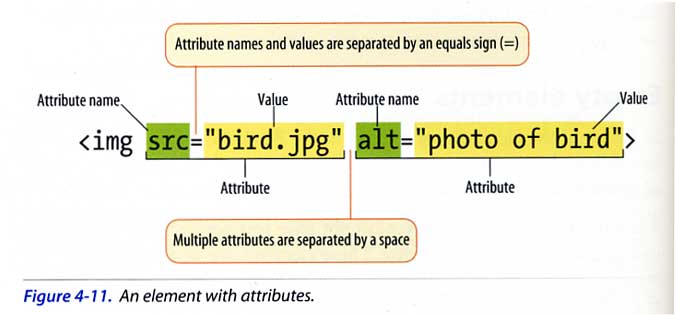
System attributes are attributes that Engati automatically creates.
These can include:
Bot attributes are defined at the bot level. Let’s say you have a constant that is used at multiple paths. You can create a bot attribute and use that and manage the value from one place. This is especially useful for integrations where API keys and tokens need to be stored.
A custom attribute is a property that you can define to describe assets. Custom attributes extend the meaning of an asset beyond what you can determine with the standard attributes. You can create a custom attribute and assign a value that is an integer, a range of integers, or a string.
There are multiple ways of setting attributes in the bot. Engati provides you with the functionality to create your own attributes. It can be done internally using nodes or passing it as a URL parameter or the widget script.
The following nodes can also modify them:
Drive to Reimagine
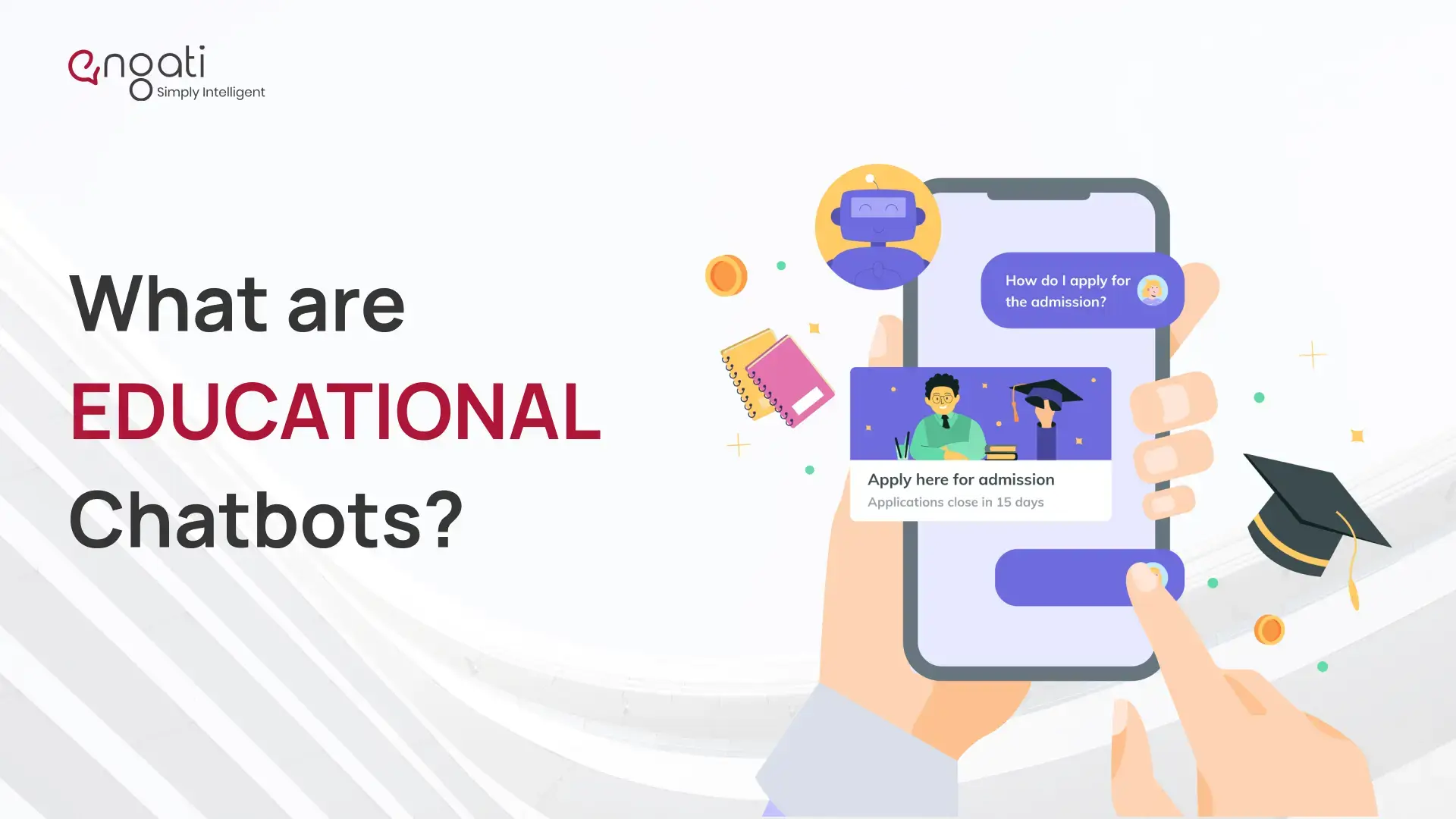
Chatbots in education are providing a personalised learning environment to students, and technology is upgrading the way they learn and absorb information.
Drive to Reimagine
A chatbot is a designed tool powered by the rules of Artificial Intelligence (AI), acts as a simulator of human conversation for the purpose of automating a bus
Drive to Reimagine
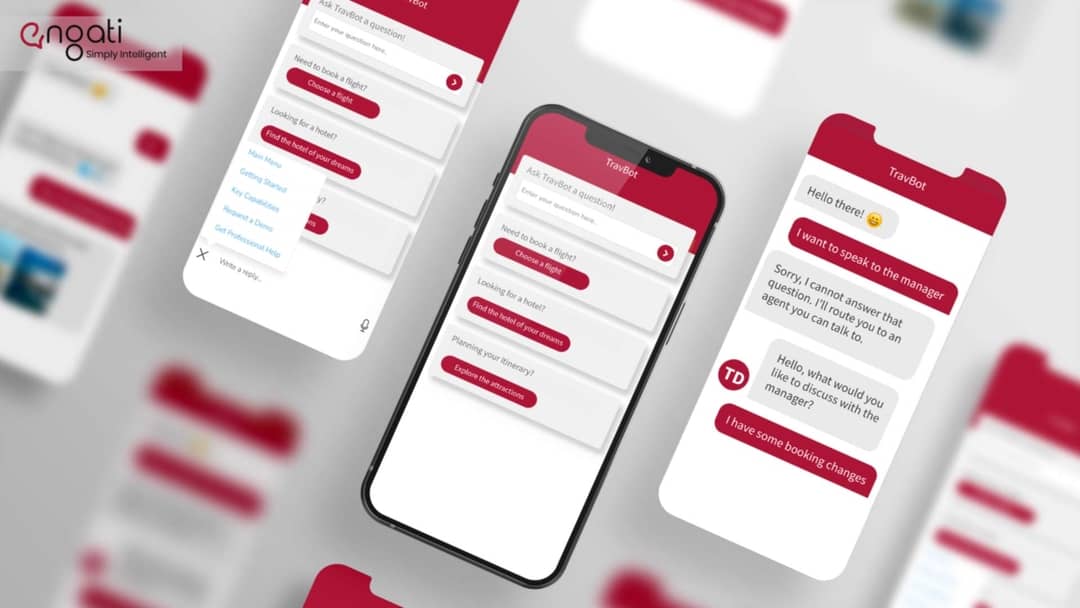
Chatbots are everywhere today. But what can make your chatbots stand out from the rest? Read this extensive cheatsheet to learn how to build a unique chatbot.