Drive to Reimagine
10 effective lead-gen tips for your marketing agency
Here are 10 extremely powerful lead generation tips to help your digital marketing agency find more prospects and sign more clients. Check it out now!
Audience profiling examines and categorises audiences according to common behaviours, enabling more efficient marketing strategies.
Creating in-depth audience profiles provides a comprehensive grasp of your customers, encompassing their purchasing patterns, brand interactions, and preferred social networks.
Leveraging these insights informs your marketing endeavours, empowering you to craft personalized content and run successful ad campaigns with precision.
At the core of audience profiling lies a simple yet powerful idea: understanding your audience and their interests allows you to create compelling content that resonates, eliminates wastage, and boosts engagement.
This importance stems from a marketing truth articulated by Orvel Ray Wilson in 1984:
"Customers buy for their reasons, not yours."
Successful marketing revolves around addressing what the audience wants to hear, not just what businesses want to say.
With today's consumers becoming more complex, demanding, and empowered, personalized branding experiences are a must. Audience profiling enables marketers to uncover fundamental truths about their consumers, paving the way for impactful messaging that truly connects. There are no excuses for overlooking this essential approach, as it unlocks the key to winning over your audience effectively.
1. Demographic Information: Include personal attributes like geography, age, education, occupation, and income.
2. Psychographic Information: Highlight personality traits, interests, attitudes, beliefs, and lifestyle attributes.
3. Goals, Challenges, and Pain Points: Understand your audience's aspirations and obstacles related to your product or service. Address how your offering can meet their needs, and identify the search queries they use to find your solution.
4. Values: Explore bigger-picture values and motivators like "nature," "socializing," "a sense of belonging," or "autonomy at work."
5. Preferred Channels: Determine the platforms your audience frequents the most, be it social media channels like YouTube or Instagram or search engines like Google, to tailor your campaign accordingly.
6. Preferred Content Types: Identify the content formats your audience prefers, such as e-books, blog posts, case studies, podcasts, or videos, to effectively serve them.
7. Buying Behavior: Understand your audience's purchasing patterns - whether they're impulsive buyers or take time to decide, and if their interest in your product or service is seasonal or consistent throughout the year. This insight helps in strategic campaign planning, such as targeting beach chair sales during the summer months when they are most in demand.
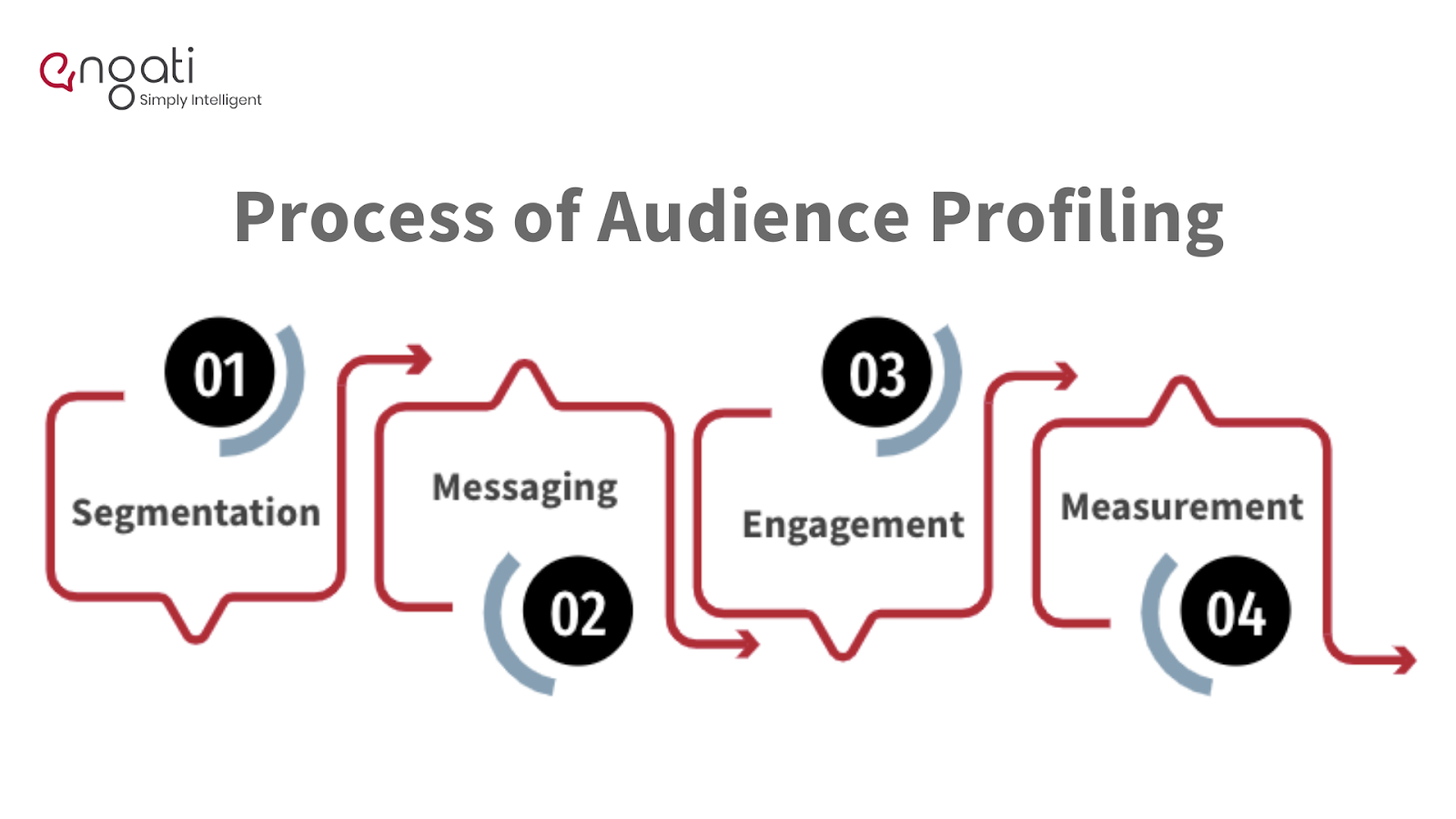
Move beyond basic demographics and leverage global data platforms like GWI for custom audience profiles. Understand consumer behaviour, interests, and self-perceptions to reach the right people for targeted campaigns. Regularly update your research to adapt to evolving consumer trends.
Refine your messaging using audience segmentation insights. Analyze how your target consumers respond to current messages and craft resonating content based on their characteristics and needs. Clearly highlight how your brand solves its problems, referencing positive brand stories if available.
Maximize engagement by placing your tailored content strategically. To understand consumer behaviour across platforms, channels, and social media, utilise audience profiling data. Elevate your voice to reach potential customers where they are, ensuring a powerful marketing strategy.
Measure the impact of your audience profiling with robust tracking and analytics that focus on real people, not just devices. Validate audience targeting and gauge campaign effectiveness accurately. Continuously review and optimize your marketing efforts based on reliable data to attract new audiences and retain existing customers.
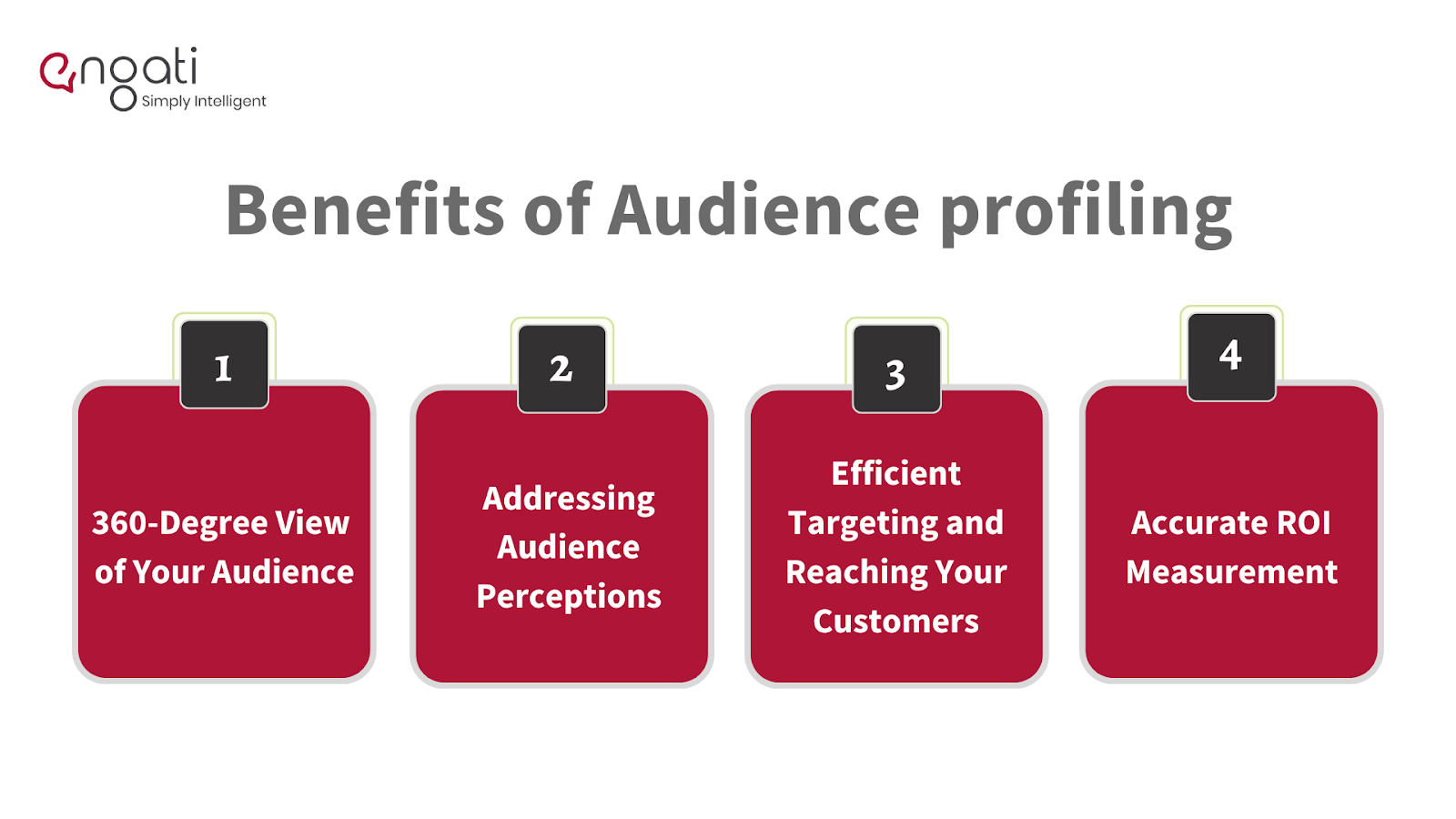
Audience profiling offers a comprehensive understanding of your target customers, answering crucial questions about their preferences, perceptions, social media usage, and buying behaviour. With consumer insights at the core of your strategies, you can create a well-informed customer journey.
By delving into audience profiling, you gain fresh insights that drive your marketing strategy forward. Understanding your audience's perceptions allows you to craft messages that resonate, like BuzzFeed did, shifting their audience's perception and attracting diverse advertising partners.
Knowing your audience's interests, attitudes, and online presence helps you tailor your message effectively and invest wisely in the right channels. Audience profiling ensures you maximize investment returns by precisely reaching your target customers.
In an era of budget scrutiny, measuring the impact of marketing efforts is vital. Audience profiling tracking tools provide reliable data, enabling marketers to accurately measure campaign performance and move away from unreliable passive data and 'probabilistic' solutions.
Having made the case for audience profiling, let’s look at some proven ways to improve its delivery.
Tip 1: Use a single source of data. With the abundance of data available, you can afford to be picky. Choose the source of consumer research that promises the most relevant data, and stick with it to make damn sure you’re not losing detail or creating multiple versions of the truth.
Tip 2: Know what you’re looking for. The sheer volume of data can be overwhelming and unhelpful if you don’t have a plan. Keeping an aim in mind means creating actionable and well-executed insights and avoiding getting lost in the research.
Tip 3: Split your segments to your objectives. Not everything will be relevant to the objectives you’re working towards. In the same way, you tailor your marketing, tailor your segments to cut down any unnecessary noise.
Tip 4: Track the right footprints. When you know your target consumers, you can identify the touchpoints they’re engaging with – and why they’re attractive – using detailed and reliable consumer journey maps.
Tip 5: Find the hot buttons. Consider the most compelling way to position your brand as the top choice for target consumers and how to work this into your marketing messaging.
Tip 6. Drive personal engagement. Personalization is at the very heart of engagement. With this in mind, you need to appeal to the target audience's interests and invest in the right channels.
Tip 7: Run ad effectiveness studies. Ad effectiveness studies can help you evaluate the true impact of your campaign on your exact target audience, informing important adjustments for future campaigns.
To create a targeted audience profile, first, establish your campaign's objectives. Are you aiming for high-intent advertising to attract buyers or seeking to boost attendance at a marketing event? Tailor your audience profile accordingly, resembling your buyer persona for product sales through social media campaigns or a fictional character based on YouTube analytics for increased channel views.
Once your campaign goals are clear, utilize data and analytics to craft your persona prototype. Explore Google Analytics to gather demographic data on website visitors, such as age, gender, location, and device usage. Delve into CRM data to understand which customers convert at the highest rate. Additionally, leverage channel-specific metrics to fill in any gaps. Analyze past high-performing ads for Google ads campaigns or use Facebook's lookalike audience feature to target similar customers for Facebook campaigns.
Complete your audience profile's challenges/goals/pain points section by examining customer reviews, focus group insights, and high-intent keywords related to your products or services. Use tools like Ahrefs for keyword exploration to discover questions people ask about your search query. Combine this with qualitative customer research to understand your audience's biggest challenges and tailor your campaign accordingly.
For B2C companies, study content from top influencers in the industry to glean psychographic data for your audience profile. Observe their interests, values, and daily activities to enrich your understanding. For B2B companies, read industry case studies and reports, and join webinars to grasp your target persona's interests, values, and behaviours within a specific industry.
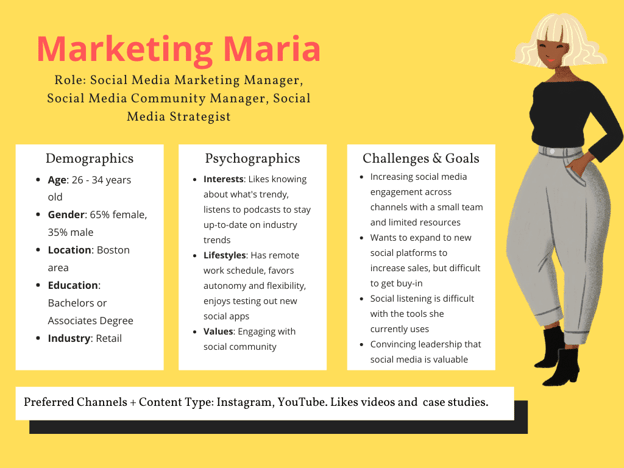
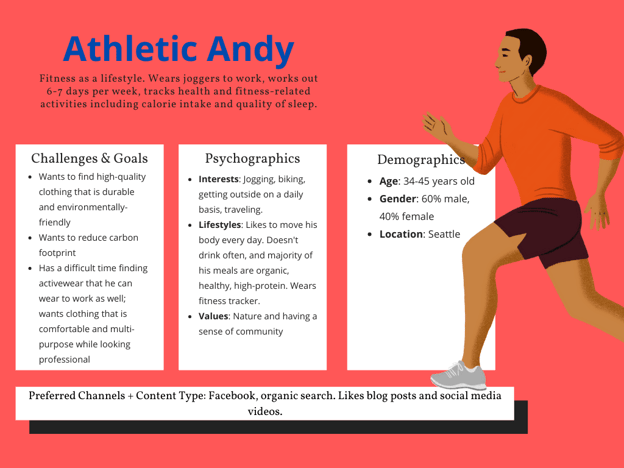
You've explored audience profiling, but let's delve into buyer persona and target audience. Both play crucial roles in marketing strategy and can be defined through profiling, yet they differ subtly.
| Target Audience | Buyer Persona |
|
To engage your target audience effectively, you require essential information about who they are, their location, and their traits. |
Unlike a target audience, buyer personas are more defined and focused, representing individual customers within the audience. |
| Research and data mining, including a competitive analysis, unveil insights and strengths to strategize marketing efforts. |
These personas provide insights into your customers' buying process and emotional states. |
| The resulting research defines your current and potential target audience, guiding your digital marketing plan. |
Creating buyer personas within your target audience allows for more personalized and effective marketing strategies facilitated by empathy mapping aligning your objectives with customer needs. |
Discover the significance of audience profiling for your business. By effectively gathering insights, it helps segment and profile your ideal customers. Without these valuable details, connecting with your audience for maximum impact becomes a challenging task.
For effective marketing campaigns, identifying your target audience is paramount. Without audience profiling, you risk wasting resources like casting a net in an ocean with no fish. Audience profiling becomes your compass, guiding where to allocate time, effort, and budget.
Avoid burning through your marketing budget with limited results from a broad approach. Instead, narrow down your focus by leveraging audience profiling insights. Personalize your message based on research, and witness higher conversion rates as your targeted campaigns yield greater ROI.
Here are some examples of audience profiling tools that you might consider using:
Drive to Reimagine
Here are 10 extremely powerful lead generation tips to help your digital marketing agency find more prospects and sign more clients. Check it out now!
Drive to Reimagine
Explore what is AI marketing and how AI in marketing can transform your business strategies, bringing better conversion and increased efficiency. Read now!
Drive to Reimagine
See how mountain dew increased engagement by 572%, using chatbot marketing and learn how you can integrate chatbots for digital marketing strategies.