
Drive to Reimagine
7 ways to promote your eCommerce store in 2023
An eCommerce platform needs to be mobile-friendly if you want to attract more customers, retain them and gain customer loyalty. Check out the article now!
eCommerce fulfillment refers to the operations after the order is received. It involves picking, packing, shipping, and delivering products to your customers.
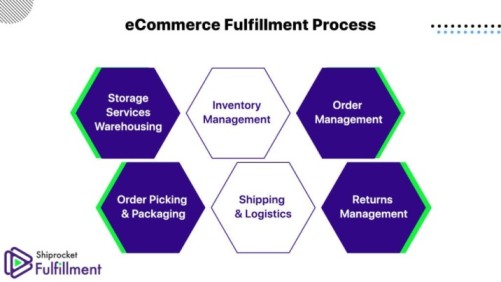
eCommerce fulfillment is extremely important because 73.6% of shoppers believe that delivery is the most vital aspect of the shopping experience. 38% of them abandon their carts if they see that it will take them more than a week to receive their order.
If you can’t deliver orders quickly, you’re ruining your customer experience and will cause your customers to just stop doing business with you. But that’s not the worst part. If you deliver orders later than you promised, they’ll get frustrated and talk about how bad their experience was, tarnishing your reputation and stopping other potential customers from doing business with you.
eCommerce fulfillment is not just a single service. It is actually a combination of a wide range of services. Here are some of the main ones.
Quite often, order fulfillment is used interchangeably with eCommerce fulfillment. On a very rudimentary level, it involves picking, packing, and shipping orders to customers.
The order fulfillment process starts when your customers place their order online and the order is considered to be fulfilled when it is delivered.
Order management involves overseeing all the purchases that your customers make. It comprises receiving, keeping track of, and fulfilling orders across all your sales channels.
You need to be able to track the status of individual orders, trends, and changes in order volumes, preferences, locations, buying behavior, order returns, orders that have mistakes, and orders that you are unable to fulfill because you don’t have enough inventory.
This involves storing, tracking, ordering, restocking, and forecasting inventory.
One of the most important parts of inventory management is figuring out how much inventory you should have available at any point in time. If you have too much inventory, you might have less cash flow, end up paying too much for storage and be left with outdated inventory. If you don’t have sufficient inventory, you risk missing out on opportunities and not being able to fulfill customer orders, especially bulk orders which could be very valuable to you.
This involves storing your inventory before it is shipped and fulfilled. For eCommerce businesses that are just starting out or have smaller volumes of orders, warehousing could be done in their basement, garage or some other part of their house until they have too many orders for them to fulfill from home.
This refers to the delivery methods that you offer to your customers and the amount you charge them for these delivery methods. The shipping options will depend on the place where you’re shipping your products from, the types of products that you sell, the delivery speed that you want to offer your customers, and the area in which your customers are located.
This involves collecting, assessing, and processing returned items. Having the right return policy in place is of critical importance because it helps them trust you more. They even tend to make more purchases (And keep those orders) when you have a good return policy because they treat your return policy as a safety net in case the product isn’t right for them.
This software connects your eCommerce shop to the fulfillment center, giving you access to real-time eCommerce order tracking information, visibility into inventory levels, and forecasting projections. It can even route your orders to the fulfillment center closest to the customer who placed the order.
This is about fulfilling orders for customers who are based abroad. It could involve working with a fulfillment center based abroad or even shipping the orders abroad directly.
This is a traditional operations model in a fulfillment center. Warehouse picking involves making use of a picking list to collect items from storage when the order is placed online and packing involves putting the necessary items in boxes or poly mailers with other packing materials.
This isn’t a very common eCommerce fulfillment service. If certain products are shipped to customers in a unique or unusual manner, kitting helps the employees at the fulfillment center understand how to assemble the items in the right manner.
It mostly involves assembling components that arrived separately but need to be prepared or put together before you can ship them.
Some fulfillment centers specialize solely in B2B fulfillment. These orders tend to be complex and have more compliance requirements than regular B2C orders. They also tend to be more expensive and might require more storage space.
This is the moving, storing, and shipping of orders. It starts with collecting inventory from the manufacturer and ends with delivering the products to the end customer.
This involves storing products in multiple locations and regions. The idea is to reduce the shipping time and cost by ensuring that their products are already close to customers who are based in different parts of the country.
This refers to shipping products to people who have subscribed to receive products on a regular, predetermined basis. This could involve receiving the same products on a regular basis or even receiving a curation of products every time.
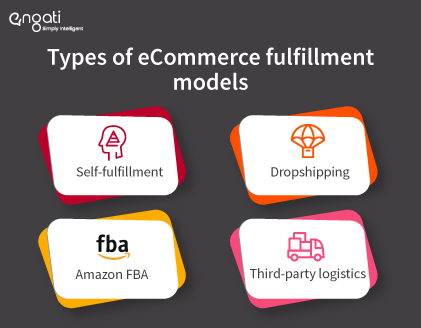
This involves the sellers just fulfilling orders themselves. This is mostly used by small businesses or businesses that are just starting out.
Here the seller is essentially just a middleman and don’t end up actually being in possession of the product. The seller really just collects orders while the manufacturer handles production, storage, picking, packing, and shipping of an order directly to the customer.
This is when an Amazon seller sends their products to Amazon Fulfillment Centers to be fulfilled. It is only available for products that have Prime status.
3PL is when you outsource your fulfillment activities to a third party fulfillment company.

Drive to Reimagine
An eCommerce platform needs to be mobile-friendly if you want to attract more customers, retain them and gain customer loyalty. Check out the article now!
Drive to Reimagine
The hardest part of eCommerce business is all about acquiring new leads, here are the 7 interesting way to generate leads for your eCommerce business
Business Transformation
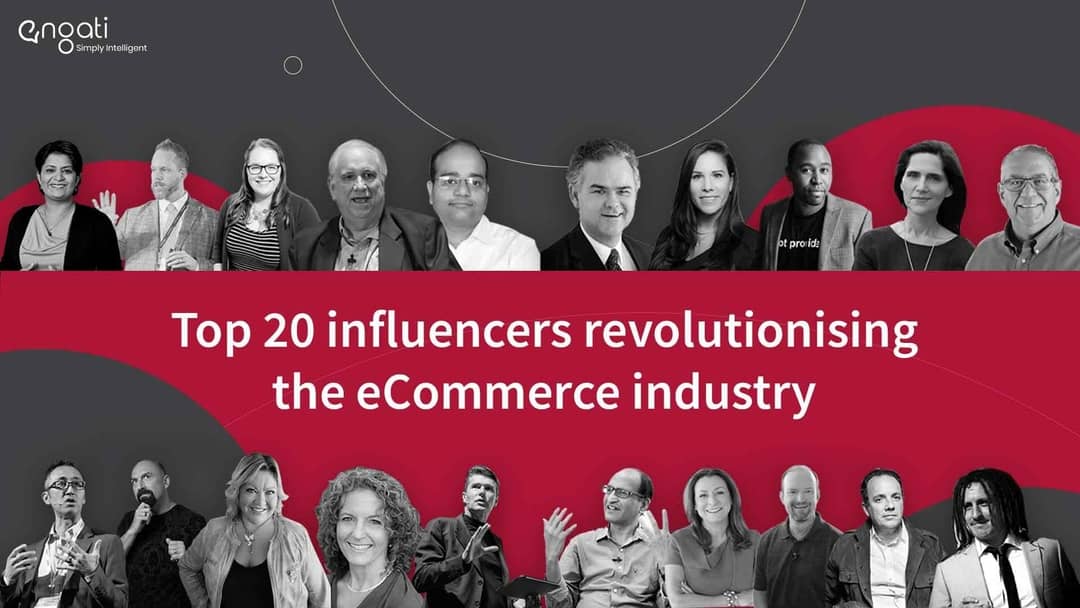
Engati has compiled a handbook of insights by influencers that can be applied to eCommerce, leading to a meaningful impact in the eCommerce industry in 2021.