Business Transformation
How to choose the right platform for your online store?
From the business idea to putting the idea into motion, you will need a solid understanding of how online shops operate. This article will show you how.
An online storefront, also known as an electronic storefront or e-storefront, is a website that serves as the online representation of a business. It can be considered the digital version of a retail store or business address on the internet.
This storefront can either be the home page of an Internet store or the entire website. Similar to physical stores, online storefronts are essential to a brand's identity. It is important to focus on the storefront's presence, location, product arrangement, and payment options when setting up an online business.
A digital storefront encompasses all the necessary elements for selling products and services over the internet, such as hosting, homepage, digital catalog, online support, and payment gateways. There are numerous online solutions available to help set up an online storefront, with Shopify being one of the most popular and user-friendly options.
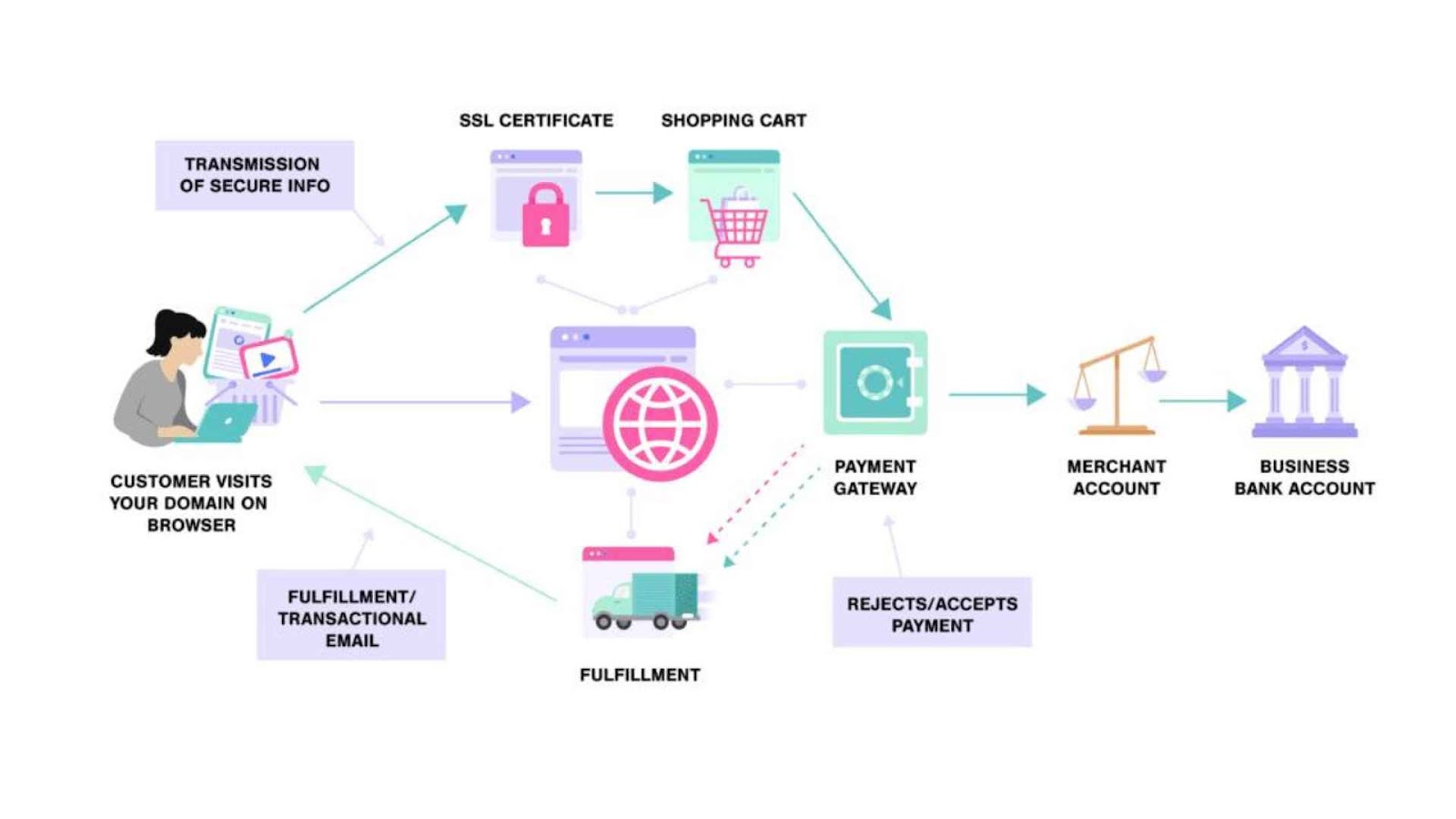
Online storefronts operate in a similar manner to traditional brick and mortar stores, but with the added convenience of being accessible from anywhere.
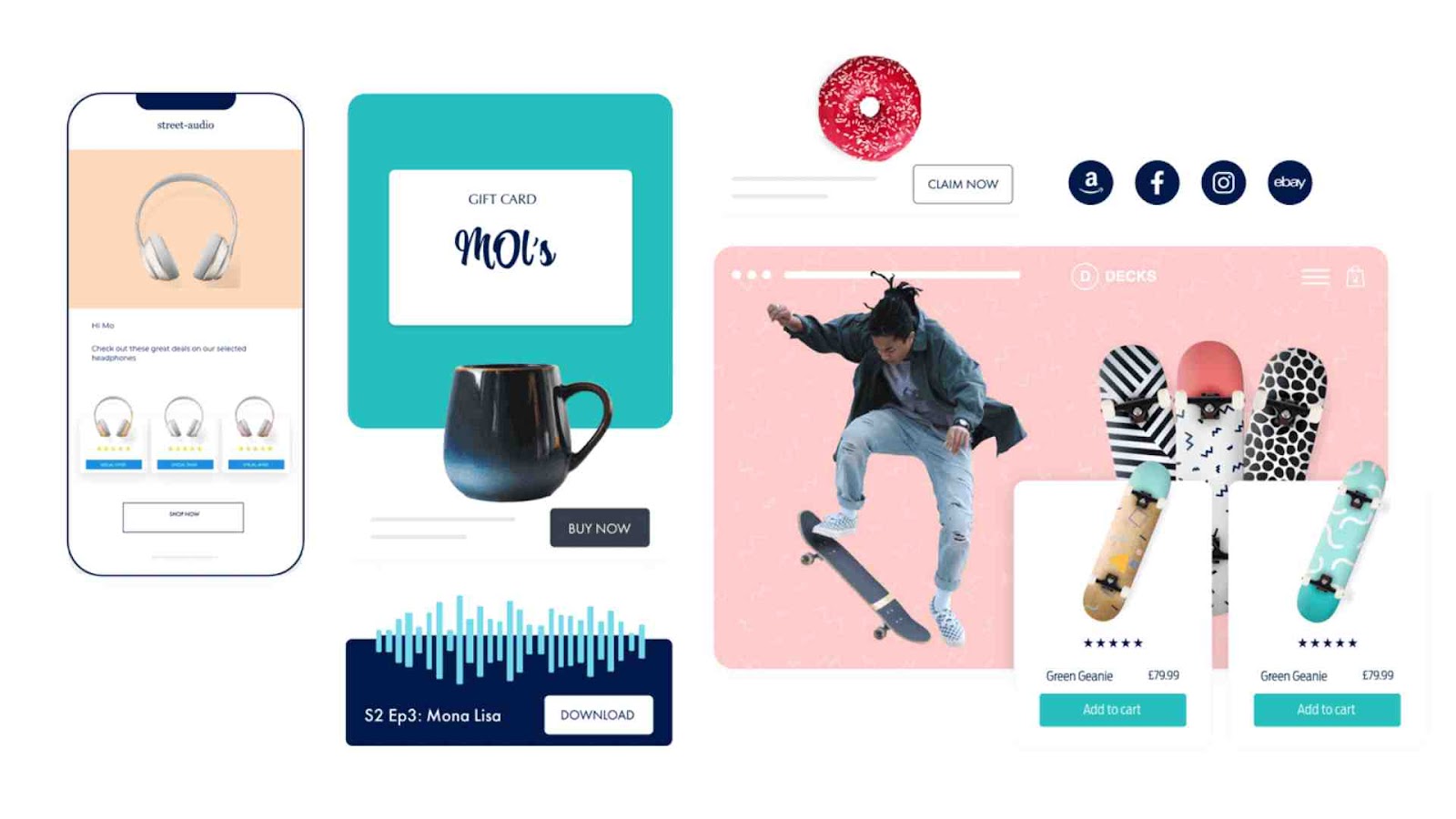
Due to the increased popularity of online commerce, online stores face intense competition. Companies invest in developing and expanding their online storefronts to attract more customers, improve the customer experience, and increase revenue. When building an online storefront, it is important to consider the following elements:
When transitioning to an online business, the brand name, logo, and domain name are crucial factors. A unique logo that is consistent with the brand name can help customers recognize your brand. The domain name is the address of your store and should be simple and easy to search. It is advisable to use your brand name as the domain name.
The arrangement of products should be strategic and objective-driven. Popular products, new arrivals, or best-rated products can be placed at the top of the page, with the rest in the second fold.
Using a chatbot to interact and engage with customers can significantly improve customer support and boost conversions. Engati automation is a good tool to integrate with your website and social media to convert visitors into customers.
An online store should have a signup and cart option. Signup, shopping cart features, and call-to-action buttons should be placed side by side for easy access. Regular customers can be given a login and password so they can save their previous orders and leave feedback.
Online payments are convenient and secure for customers. You should make it clear what types of payments you accept and display a list of accepted cards in the website's footer or payment page.
Adding social media links to your website enables customers to quickly connect with your social media sites. You can also ask customers to leave reviews on your social media sites, which can be used for self-promotion.
Accreditation certificates from reputable companies can provide customers with a sense of security when making payments. Other certifications related to your products, reviews, and testimonials can also help to build trust with customers.
Discover the 11-step process to establish your own Shopify store with ease by following this comprehensive guide. Whether you are a beginner or an experienced entrepreneur, this guide will take you through all the necessary steps to set up your store successfully.
Here's an article on how to transfer your website from Wix to Shopify!

Business Transformation
From the business idea to putting the idea into motion, you will need a solid understanding of how online shops operate. This article will show you how.

Business Transformation
The ever-increasing expectations of the customers can be met with the implementation of an artificial intelligent chatbot in e-commerce websites.......
Whatsapp Marketing
Learn how to create a WhatsApp bot in 5 minutes with easy steps. Discover WhatsApp integration tips, explore use cases & get a chatbot demo with free trail.