Tech Corner
How technical are APIs?
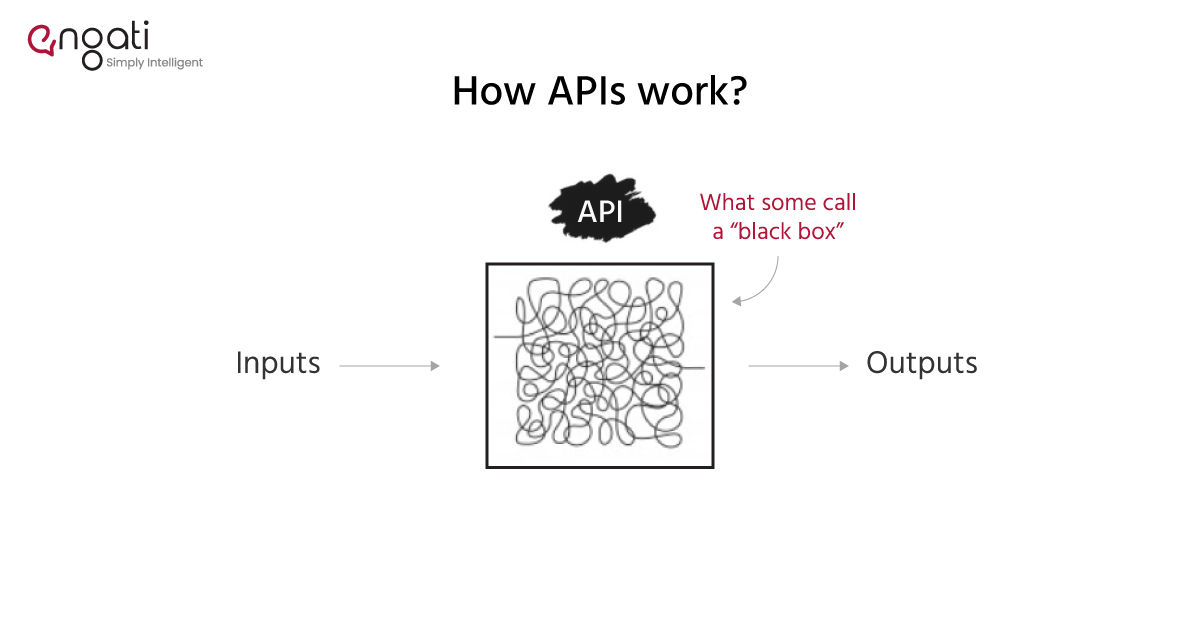
The topic of APIs may seem daunting, but it's simply communication between two systems. Here's a quick walkthrough of what APIs are, starting with the REST API.
In his 2000 doctorate dissertation, Dr. Roy Fielding defined REST (Representational State Transfer) API Design.
An API (application programming interface) is essentially a set of rules that permits programs to talk to each other. APIs are created by developers on servers and clients are allowed to talk to them.
REST (Representational State Transfer) is a set of rules that developers follow while building their APIs. One of these rules is that when you link to a certain URL, you should receive a piece of data (a resource). The URLs are referred to as requests and the data received is called a response.
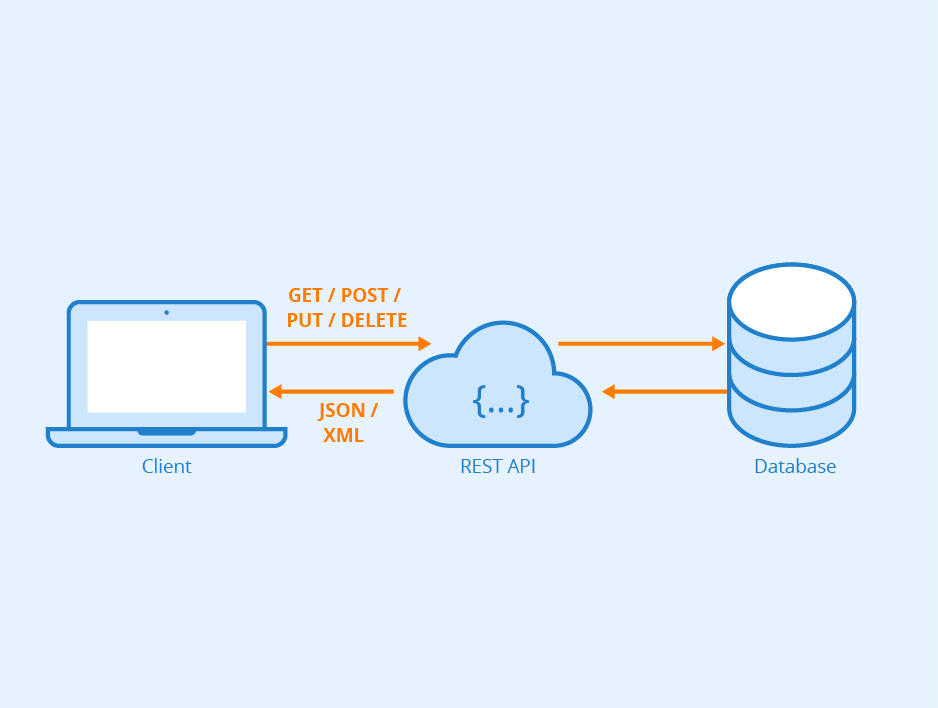
One of the main reasons why REST APIs are used is the fact that they offer you quite a large degree of flexibility. The data is not tied to resources or methods, so it is possible for REST to handle and deal with several types of calls, return different data formats and even change structurally with the correct implementation of hypermedia. This flexibility that REST offers makes it possible for developers to create an API that meets your needs and simultaneously meet the needs of extremely diverse customers.
REST is widely considered to be the standard protocol for the web APIs. Other protocols for web APIs like Soap and JavaScrip are not as popular and widely used as REST. REST APIs are much easier to understand than other types of APIs, that’s part of the reason why the growth and usage rates of REST are much higher than others. Several graphs available across a wide range of websites demonstrate that the growth rate of REST APIs from 2005 to 2013 is much higher than any other type of API.
Here are the most significant advantages of REST APIs:
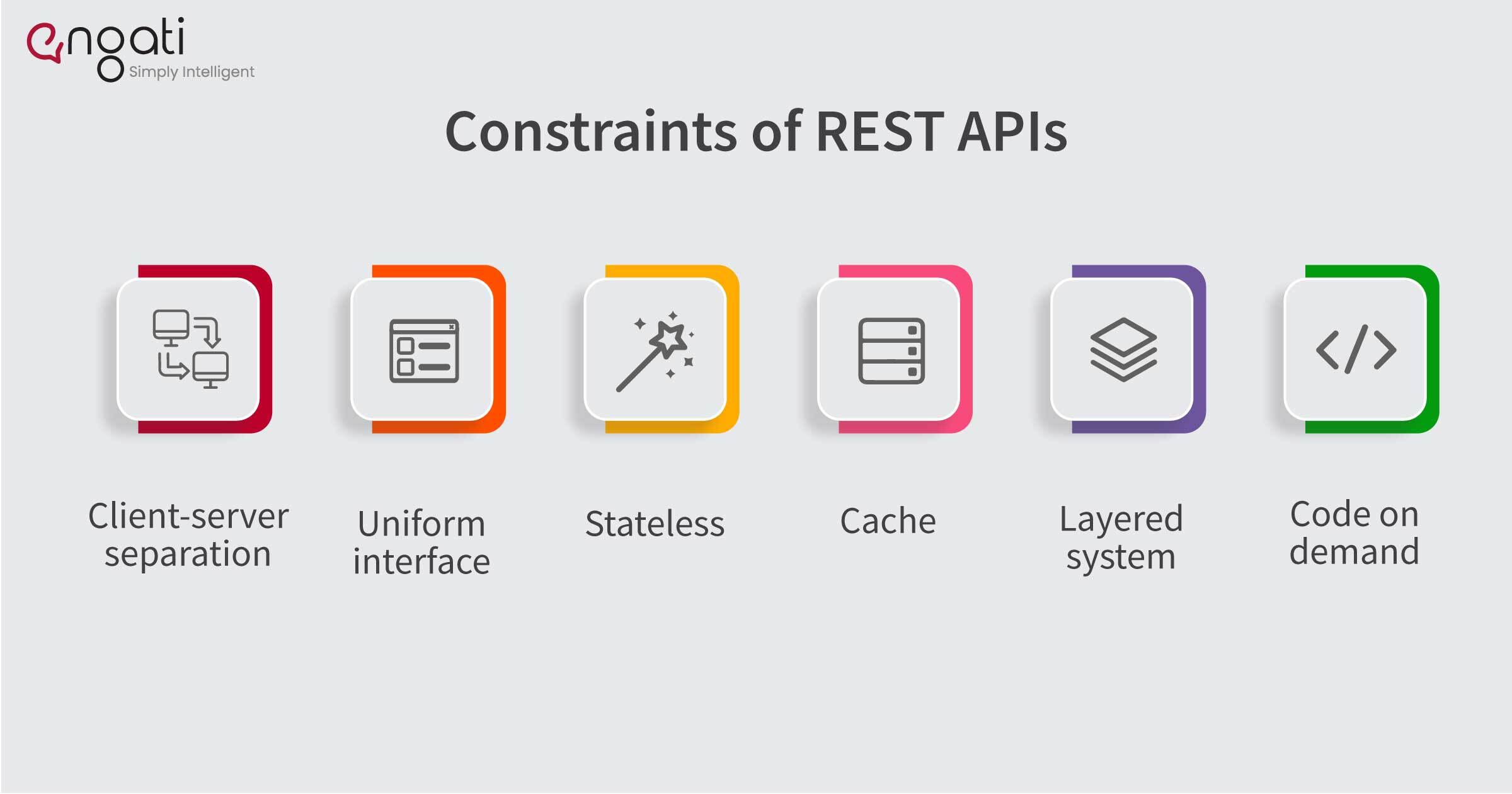
These are the rules that an API must follow in order to be called RESTful APIs. There are five strict, non-negotiable rules, along with one optional constraint.
The client and server should both be separate from each other. Clients cannot respond to requests and servers cannot make requests.
This allows you to modify server contents without having any impact on other clients, while also allowing your client software to scale its builds without impacting other servers.
Every request and response needs to follow a common protocol. Essentially, a uniform interface refers to a common language that any client cna use to communicate with any REST API.
This reduces the chance of information getting jumbled and lost, while ensuring that applications do not need to update their request processes whenever APIs update their request processes.
REST APIs have to be stateless. This means that all interactions (calls) are made independently of each other. Every response shares all the information that is needed to complete the interaction. This minimizes the amount of server memory needed and increases the chances of getting successful, effective responses.
Caching helps reduce page load time and even saves server resources. REST APIs should be designed to allow data caching. When responses are sent to clients, they should indicate whether that particular resource can be cached, and if it can, for how long.
Usually there are multiple layers between the final server and the client. They handle traffic, improve security, and help with other tasks.
This principle actually happens to be optional. You can choose to let your API send code to clients in the response, allowing clients to run the code you send on their own backend systems.
Developers prefer using REST APIs in comparison with SOAP APIs because their learning cure isn’t as steep with REST as it is with SOAP and the Web Services contract first approach has a greater degree of complexity. Here are the other key differences between REST and SOAP APIs.
Since REST APIs use multiple standards, they require fewer resources in comparison to SOAP APIs. Because SOAP APIs convert the data in XML, it needs greater resources and bandwidth.
REST uses SSL and HTTPS for security purposes, while SOAP uses SSL and WS-security, making it the preferred option for cases involving payment details.
Since REST is only an architectural pattern, it can use SOAP as the underlying protocol. But SOAP cannot use REST as it is a protocol itself.
SOAP only uses HTTP and XML, while REST uses HTTP, JSON, URL, and XML.
There are no differences between REST and RESTful APIs. REST stands for representational state transfer and is a set of constraints that define how an API should function. A RESTful API is essentially an API that adheres to those constraints. These RESTful APIs could be utilized in web services, applications, and software.
A RESTful web service, is also known as a RESTful web API. It is a web service that is implemented by making use of HTTP and the principles of REST.
Tech Corner
The topic of APIs may seem daunting, but it's simply communication between two systems. Here's a quick walkthrough of what APIs are, starting with the REST API.

Tech Corner
AI has been a revolution in the world of technology, and it's growing at an exponential pace. But how has Artificial Intelligence made our lives easier?

Tech Corner
Deep learning predicts user behavior for Amazon and Netflix suggesting tailored recommendations to boost customer engagement and provide personalised experience