Drive to Reimagine
10 hacks to step up your logistics company's customer experience
Just delivering orders on time isn't good enough anymore. Your logistics company needs to deliver amazing customer experiences too. Here are 10 hacks for you!
Reverse logistics activities involve all the operations that are related to the reuse of products and materials. They include activities like recycling, reclaiming of raw materials, refurbishing, and reselling items that have been restocked, etc.
It also includes the management and the sale of surplus and returned equipment and machines from hardware leasing businesses.
While logistics tends to be all about events that take the product towards customers, reserve logistics is about the product going at least one step backwards in the supply chain. As an example, the products might move from the customer to the retailer or from a wholesaler to a manufacturer.
Processes or management after the sale tend to involve reverse logistics. A customer could return a defective product. The manufacturer would then have to arrange for shipping the defective product, testing it, dismantling it, repairing it, recycling it, or disposing of it.
The product is essentially traveling in reverse (in comparison to traditional logistics) through the supply chain, so that any use that could be derived from the defective product could be retained.
Customers are at least twice as likely to return items when they are purchased through e-commerce than they are to return products purchased from brick and mortar stores.
According to The Council of Logistics Management, reverse logistics is the process of implementing, controlling, and planning the cost-effective flow of finished goods, raw materials, and in-process inventory. The flow is from the point of consumption (the consumer) to the point of origin (the producer), to properly dispose of these or to recapture value.
Re-manufacturing or refurbishment of goods is also a part of reverse logistics.
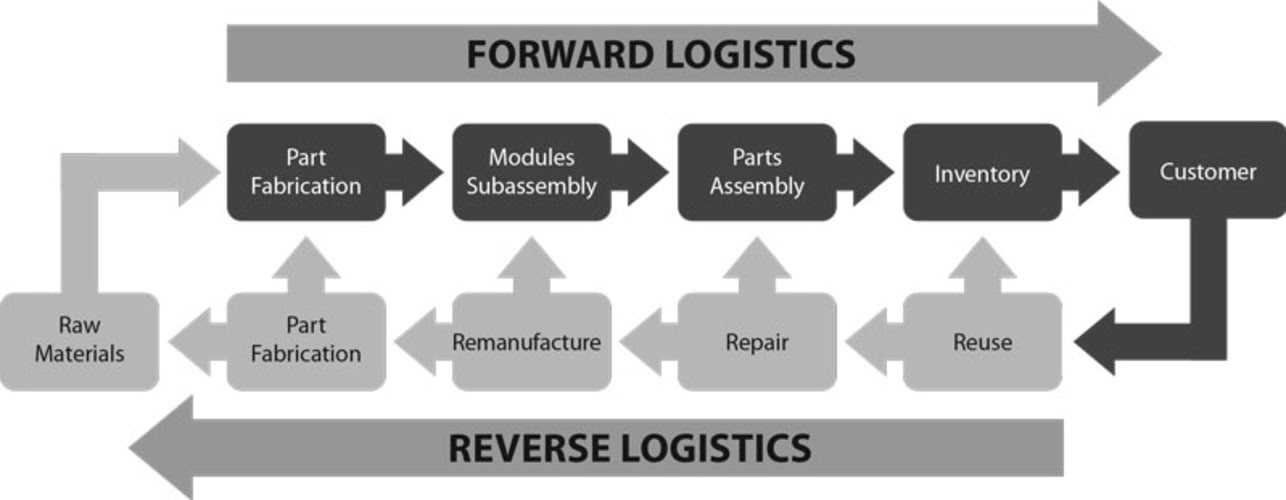
Some examples of reverse logistics activities include:
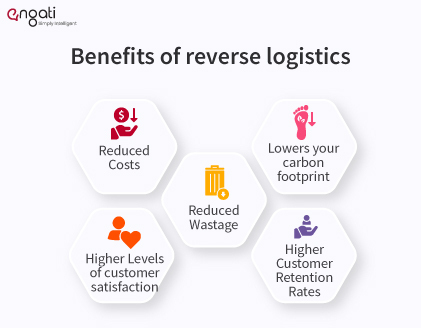
There are many benefits that come from reverse logistics. Here are some of these benefits:
Reverse logistics helps you lower your costs by reducing your transportation spend, reselling items that would have otherwise turned into a complete loss, and even lowering your storage costs. It also helps you minimize the costs associated with returns labor, including processing, credit reconciliation, technical support, and vendor management. It also helps you lower the costs associated with fraudulent returns.
Usually, these reverse logistics costs are spread over several sections of the supply chain, which leads to them getting overlooked instead of being tackled and reduced. This is usually because there isn’t a single person or department that has direct responsibility and accountability for them. But if companies have an efficient reverse logistics process in place, they can track, analyze, and reduce these costs in a more effective manner.
The manner in which a business deals with returns could have a direct impact on the way customers feel about the brand. A survey has even shown that it could lead to customers avoiding the business completely, without upwards of 50% of the respondents saying that they would rather not make purchases from business that had strict return policies in place.
If eCommerce stores or brick and mortar retailers have policies in place to provide full refeunds and not require receipts or original packaging, they can improve their customer satisfaction dramatically.
Reverse logistics helps you find ways to reuse, resell or recycle materials and products that would have otherwise ended up in a landfill. It helps you increase your profit margins by letting you derive some value from these materials and products that you would have wasted in the absence of reverse logistics, but it also helps you improve your company’s goodwill and brand reputation for social and environmental responsibility.
A lot of companies offer refurbishment incentives and recyclable packaging for the purpose of promoting waste-reduction initiatives to their customers.
Reverse logistics also allows you to lower your carbon footprint by adopting sustainable practices, recycling products, and lowering fuel wastage.
Reverse logistics can have a rather significant impact on your customer retention rate and your customer lifetime value. Lenient return policies and better guarantee handling can work wonders for your long term customer relationships. Studies have shown that the majority of customers would cease doing business with a company if it has a bad return experience with them, good reverse logistics processes can be very effective in helping you avoid that.
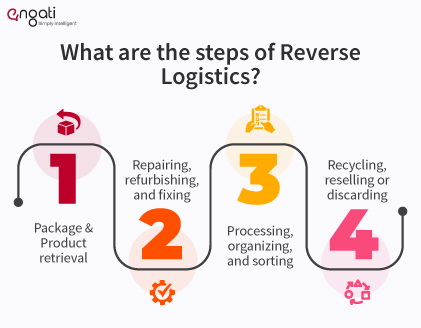
The steps in reverse logistics are:
The manufacturer or a 3PL would retrieve unused or returned packages and products from either a warehouse or customer.
This is environmentally friendly and it also helps you cut down on future costs.
You then screen and inspect the products and packages that you have collected and repaired. Consider this step to be like quality control.
Now you can resell and ship out the fixed or refurbished products back to your customers. You can also recycle, sell, or discard the products or materials that you cannot fix or reuse.
Since the aim of reverse logistics is maximize the value that a company generates from its assets, it concentrates rather heavily on recycling products and materials. This helps ensure that the company generates less waste than it would without reverse logistics.
Even other reverse logistics activities like repair, refurbishment, repackaging, and material harvesting can rather substantially reduce a company’s environmental, social and economic impact and its carbon footprint.
Drive to Reimagine
Just delivering orders on time isn't good enough anymore. Your logistics company needs to deliver amazing customer experiences too. Here are 10 hacks for you!

Business Transformation
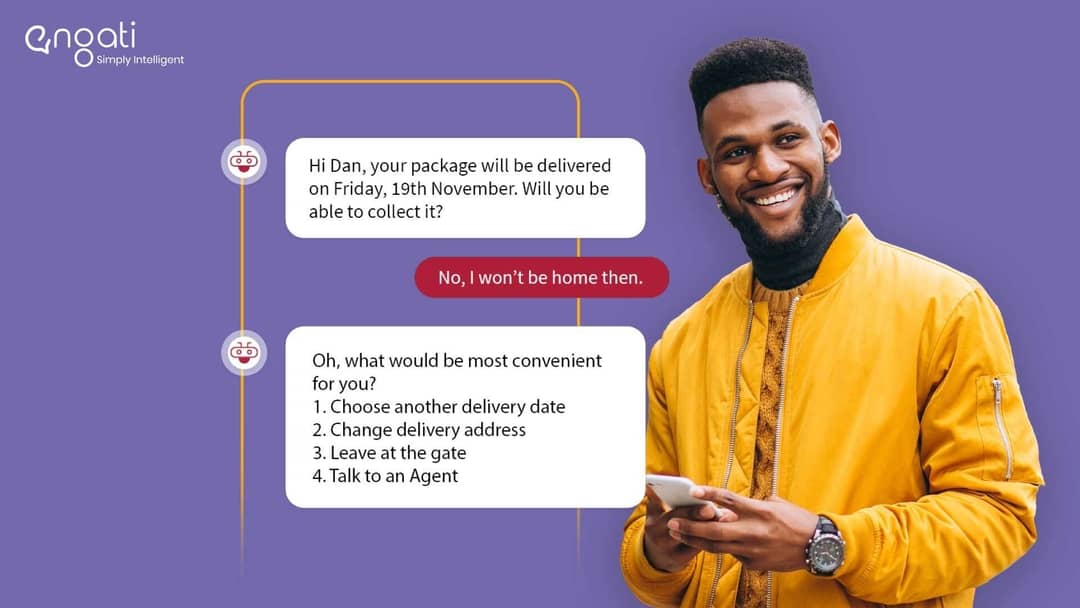
The ever-increasing expectations of the customers can be met with the implementation of an artificial intelligent chatbot in e-commerce websites.......
Drive to Reimagine
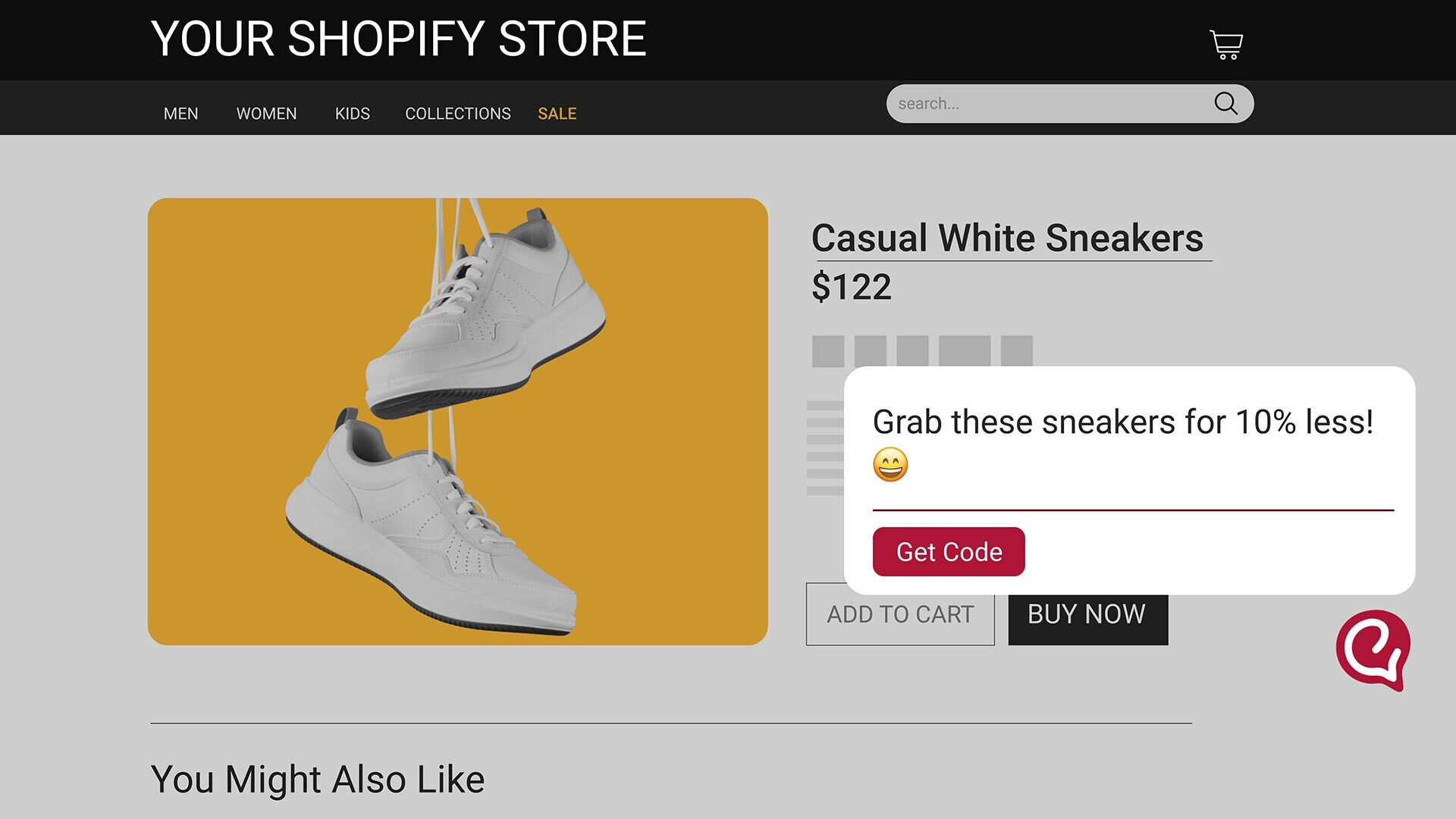
If your conversion rate isn't high, trying to send more traffic to your store might be a waste. Here's what you can do to improve your Shopify conversion rate.