Drive to Reimagine
How chatbots have evolved with data and AI
We've evolved from using rules-based chatbots to exploring more sophisticated chatbots because of data, AI, and NLP. Explore the history and uses in this blog.
A turnkey solution is essentially a ready-made solution that you can deploy in your business with great ease and simplicity. They are called turnkey solutions because the user essentially needs to just turn the key to start using the solution.
A turn-key solution is essentially a solution that is built and designed by a vendor who can sell it to any buyer, rather than being built according to the exact specifications of any particular buyer.
Turnkey software solutions are built to address a particular problem, usually for specific industries. These software solutions can pretty much be considered to be off-the-shelf software. They’re built to be implemented into your existing business process without really disrupting anything. Essentially, such software solutions are ready for immediate use after you purchase them.
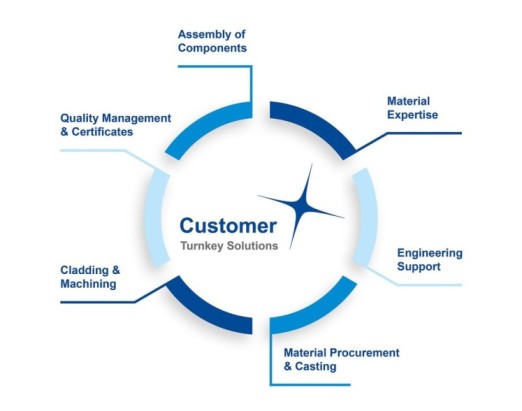
Turnkey software might not always be the best option for your business. There definitely are situations where custom-built software is the way to go. Turnkey software is generally used when there isn’t a massive need for customization. Here are some of the situations where you might want to consider opting for a turnkey solution.
If the issue that you want a solution to is not a very specific one that only your business is dealing with, you wouldn’t really need a custom-built solution, a turnkey one would be a better bet here.
If it’s a problem that a lot of businesses are dealing with, then it is more than likely that there will be vendors who have already created turnkey solutions for these problems and are selling them to other companies and organizations in the same line of business as you or similar ones.
You don’t need a solution that is specifically built to your specifications in such a situation, because many other organizations have faced the same problem the vendors have already understood the problem, know what will work best for organizations in that situation, and include that in their turnkey solution.
Customized solutions tend to be more expensive than pre-built software. If you are on a tight budget and cannot afford to spend too much on a custom-built solution, an off-the-shelf turnkey solution might be a better option.
A custom solution might make you feel good about yourself, but it hasn’t really been used extensively by anyone else before. That means that your business essentially becomes the guinea pig on whom the solution is being tested.
In critical situations, that might not be what you want. You’d want something that has been tried and tested before by other organizations and has worked well for them. You’d want a solution that has demonstrated a great track record, one that you can trust. This might be a situation in which you would rather use turnkey software after looking at the social proof demonstrated and the actual stats showcased.
When you’re just initiating your company’s digital transformation, you might not need a fancy custom-built solution. At this point, a solution that other companies have used before and experienced good results with might be a better option for you.
Here are some questions that you should be asking yourself before opting for turnkey software:
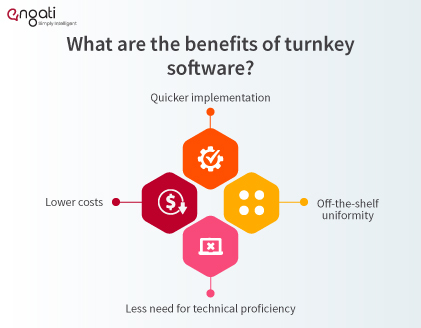
The most significant benefits of turnkey software are:
As we discussed earlier, turnkey software solutions just tend to be cheaper. This is because the vendor already has the software ready. They don’t need to spend time creating a solution just for you, they’ve already made it as are selling it to a large number of organizations instead of just one business.
Turnkey software can be simply purchased and used immediately. There isn’t an extremely long time to value involved here. They’re extremely useful when you need to fix something fast and you can’t wait to have a custom solution built for you.
These solutions are the same off the shelf, so if other businesses have experienced great results with the software, odds are that you will as well. You don’t have to worry about it being a new solution that has not been used before.
Since most turnkey software doesn’t need any modifications, and if it does, they’re mostly pretty basic modifications, you won’t really need a very large team of programmers and other technically proficient people.
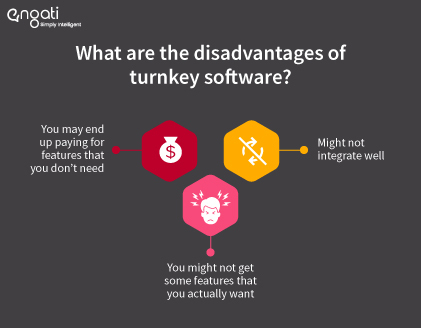
Here are some of the disadvantages of turnkey software solutions:
Since turnkey software is built for a wide range of companies, it may contain features that you have no real use for, but other companies might. So, you might be paying for features that you won’t use at all.
Once again, turnkey software is not built specifically for your business. You might need some very specific features to solve certain problems that are not available with turnkey software. You might even need to pay more to have these features added.
It is possible that your turnkey software might not be able to be integrated with your pre-exisitng business software. This is especially true with legacy software and is one of the reasons why cloud solutions are preferred.
You need to make sure that the turnkey software you are about to purchase can be integrated with the other software that you are already using for your business.
Drive to Reimagine
We've evolved from using rules-based chatbots to exploring more sophisticated chatbots because of data, AI, and NLP. Explore the history and uses in this blog.

Tech Corner
Data is currently scattered in most enterprises. Data scientists & developers are working on a common framework. Read on to learn how chatbots are helping!
Drive to Reimagine
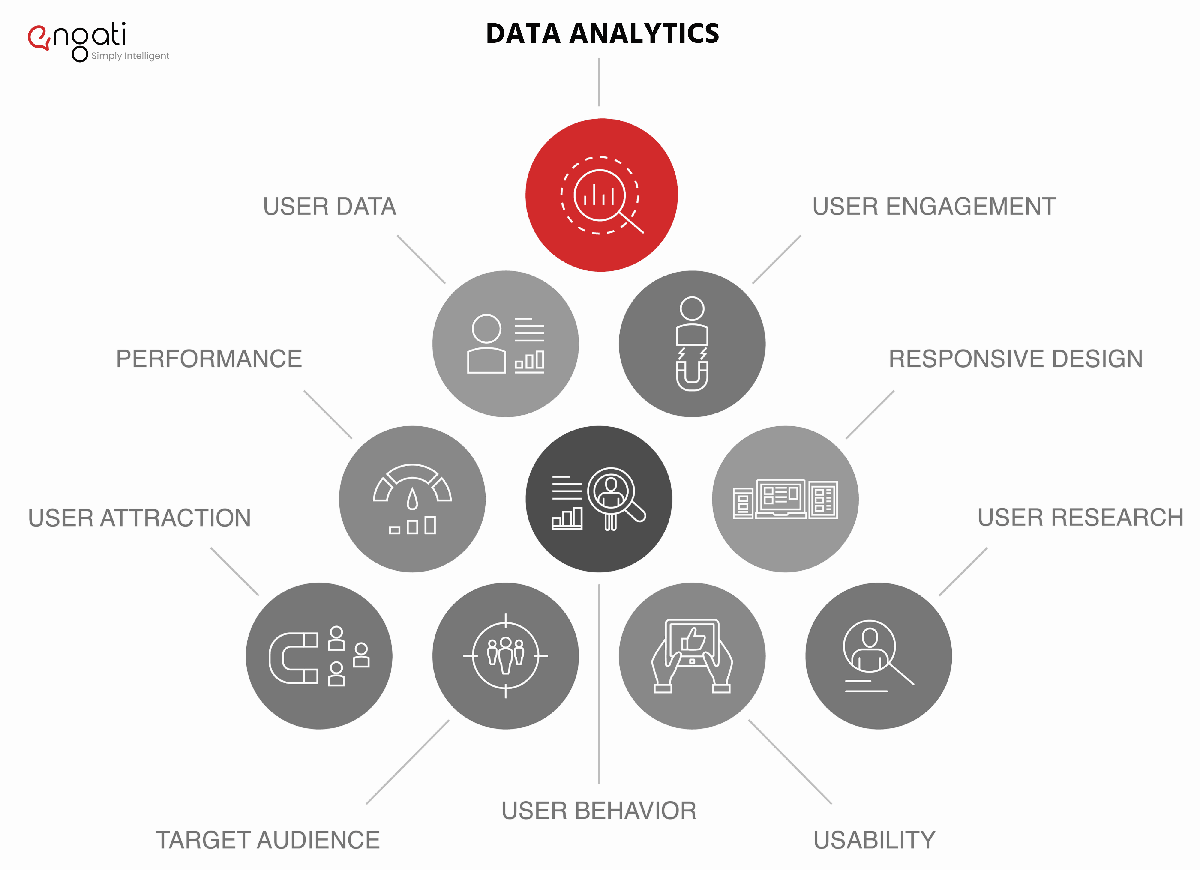
Data analytics, when used correctly, can enable product designers to see things with clarity. Here’s how to implement a data-driven approach to product design.