All Categories
WhatsApp AI for Re-Engaging Dormant Leads: A Playbook
Learn how to use WhatsApp AI to re-engage dormant leads, revive stalled conversations, boost conversions, and turn missed opportunities into revenue..
An organisation that provides software applications to consumers as a service via the internet is known as a SaaS (Software as a Service) provider. Users access the program via a web browser or API (Application Programming Interface), usually on a subscription basis, as opposed to installing it on their own PCs or servers. With the help of this model, individuals and enterprises can utilise robust software programs without having to deal with the hassles of local installation and management.
SaaS companies have completely changed how software is used and accessed in a variety of industries. They let businesses simplify operations and concentrate on their main business activities by providing scalability, flexibility, and cost-effectiveness.
Consumers enjoy frequent improvements and updates without having to deal with the headaches of managing software or infrastructure upkeep. Because SaaS companies regularly improve their offers based on customer feedback and new technology trends, this model also encourages innovation. SaaS companies have a critical role in propelling digital transformation and influencing the direction of software consumption as the market for cloud-based solutions expands.
B2B SaaS, or Business-to-Business Software as a Service, refers to a category of software applications delivered over the internet that are specifically designed for businesses to use. In the B2B SaaS model, companies subscribe to cloud-based software services rather than purchasing and installing traditional on-premises software. These services are typically accessed through web browsers and cater to the specific needs of businesses, offering solutions for various functions such as customer relationship management (CRM), project management, human resources, accounting, and more.
Key characteristics of B2B SaaS include:
1. Subscription-Based: B2B SaaS applications are typically offered on a subscription basis, where businesses pay a recurring fee (monthly or annually) to access and use the software.
2. Scalability: SaaS solutions are designed to scale with the needs of businesses, allowing them to easily add or reduce the number of users and adjust their subscription plans as their requirements change.
3. Centralized Management: The software is hosted and maintained centrally by the SaaS provider, who manages updates, security, and infrastructure, freeing businesses from the burden of software maintenance.
4. Integration Capabilities: B2B SaaS applications often offer integration with other business systems and tools, facilitating seamless data exchange and workflow automation across different departments and functions.
5. Customization: Many B2B SaaS platforms allow for customization and configuration to align with specific business processes and requirements, providing flexibility to adapt the software to unique organizational needs.
6. Support and Training: SaaS providers typically offer customer support, training resources, and documentation to assist businesses in maximizing the value and efficiency of their software investment.
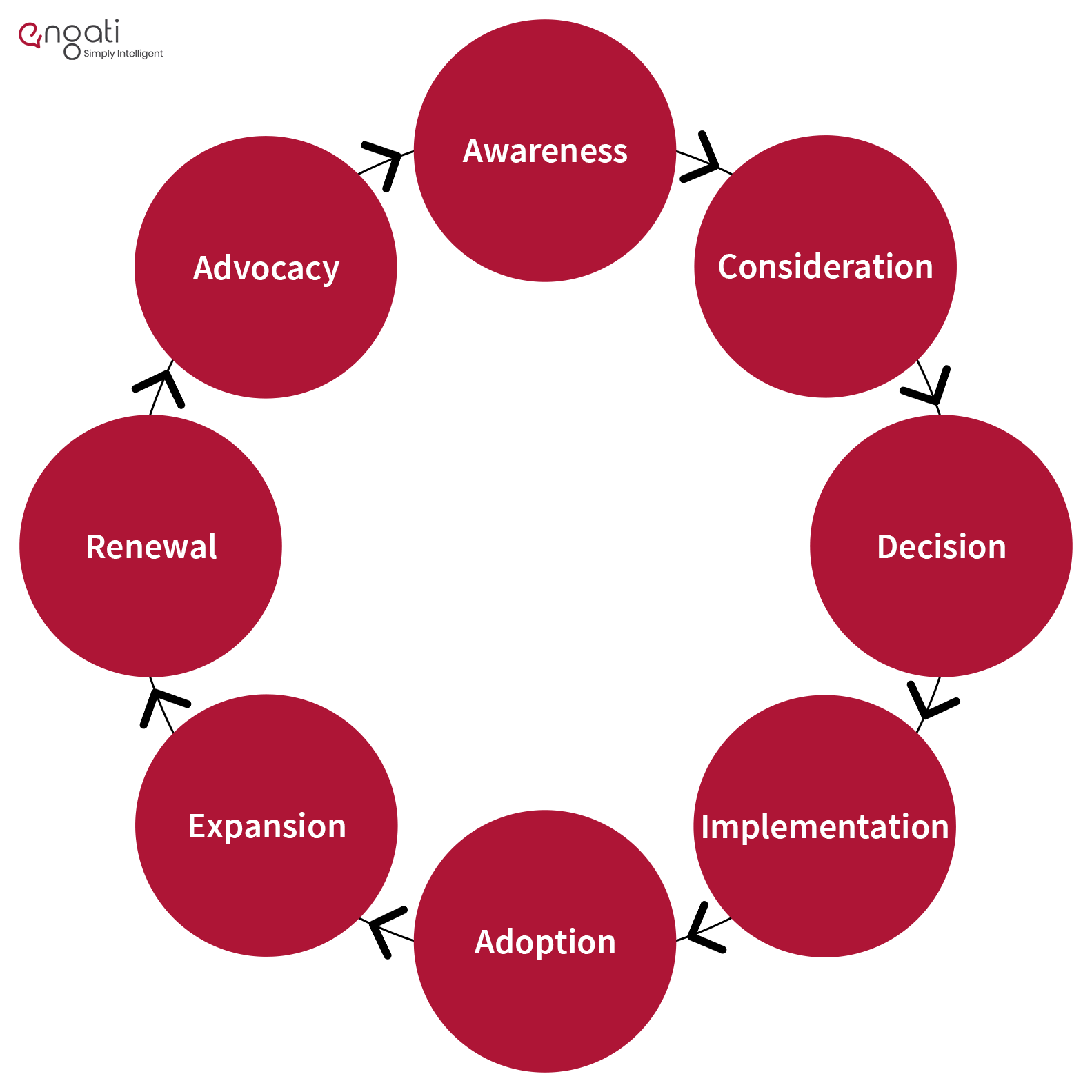
The B2B SaaS customer lifecycle outlines the stages that businesses typically go through when adopting and using Software as a Service (SaaS) solutions. Here are the key stages:
1. Awareness: At the beginning of the lifecycle, businesses become aware of the SaaS solution through various channels such as online research, referrals, marketing campaigns, or industry events. They identify a need or challenge that the SaaS product promises to solve.
2. Consideration: In this stage, businesses evaluate different SaaS providers and solutions based on factors like features, pricing, customer reviews, and compatibility with their existing systems. They may request demos, compare offerings, and seek recommendations from peers or industry experts.
3. Decision: During the decision stage, businesses make a commitment to purchase the SaaS solution that best meets their needs and requirements. Factors influencing the decision include the perceived value, cost-effectiveness, contract terms, and potential return on investment (ROI).
4. Implementation: Once a decision is made, businesses proceed with implementing the SaaS solution into their operations. This involves tasks such as setting up accounts, configuring settings, integrating with existing systems (if applicable), and training employees on how to use the software effectively.
5. Adoption: Adoption occurs when businesses start using the SaaS solution on a regular basis to perform tasks and achieve specific goals. User engagement and satisfaction during this stage are critical indicators of the software's success and value.
6. Expansion: As businesses become more comfortable and satisfied with the SaaS solution, they may expand its usage across additional departments or functionalities within the organization. This stage often involves scaling up the number of users or upgrading to higher-tier plans for more features.
7. Renewal: At the end of the initial subscription period, businesses decide whether to renew their contract with the SaaS provider based on their overall experience, satisfaction with the product, and ongoing value derived from it. Positive outcomes during earlier stages contribute to higher renewal rates.
8. Advocacy: Satisfied customers who have achieved success with the SaaS solution may become advocates for the product. They share their positive experiences through testimonials, case studies, referrals, and participation in user communities, contributing to the SaaS provider's reputation and customer acquisition efforts.
1. Engati: It is a multichannel conversational AI platform that enables businesses to build, deploy, and manage chatbots and virtual assistants across platforms like websites, Facebook Messenger, WhatsApp, and more. It offers AI-driven automation for customer support, sales, and marketing functions, catering to various sectors globally.
2. Yellow.ai: Offers an AI-powered chatbot platform that supports multiple channels such as web chat, mobile apps, and social media. Their platform uses advanced natural language processing (NLP) and machine learning to deliver personalized customer experiences and automate responses across various industries.
3. Haptik: Specialising in Conversational AI solutions for customer support and engagement. Their platform integrates AI-powered chatbots with human support, providing businesses with tools to handle customer queries, automate tasks, and improve operational efficiency in industries like banking, e-commerce, and more.
4. Interakt: Provides a unified customer engagement platform that includes AI-driven chatbots for automating customer support and marketing interactions. Their solutions help businesses in e-commerce, SaaS, and other industries to enhance customer engagement through personalized messaging and automated workflows.
5. AiSensy: It offers AI-powered conversational solutions tailored for customer service, sales, and marketing automation. Their platform integrates chatbots and virtual assistants with analytics capabilities to improve customer interactions and operational efficiencies across different channels and industries.
The main differences between B2B (Business-to-Business) and B2C (Business-to-Consumer) business models lie in their target audience, sales processes, and marketing strategies:
1. Target Audience:
2. Sales Process:
3. Relationships and Transactions:
4. Decision-Making Factors:
5. Marketing and Communication Strategies:
All Categories
Learn how to use WhatsApp AI to re-engage dormant leads, revive stalled conversations, boost conversions, and turn missed opportunities into revenue..
Conversation AI
Explore the rise of silent commerce and how customer preferences are shifting toward messaging, while voice continues to play a key role in engagement.
AI Agents
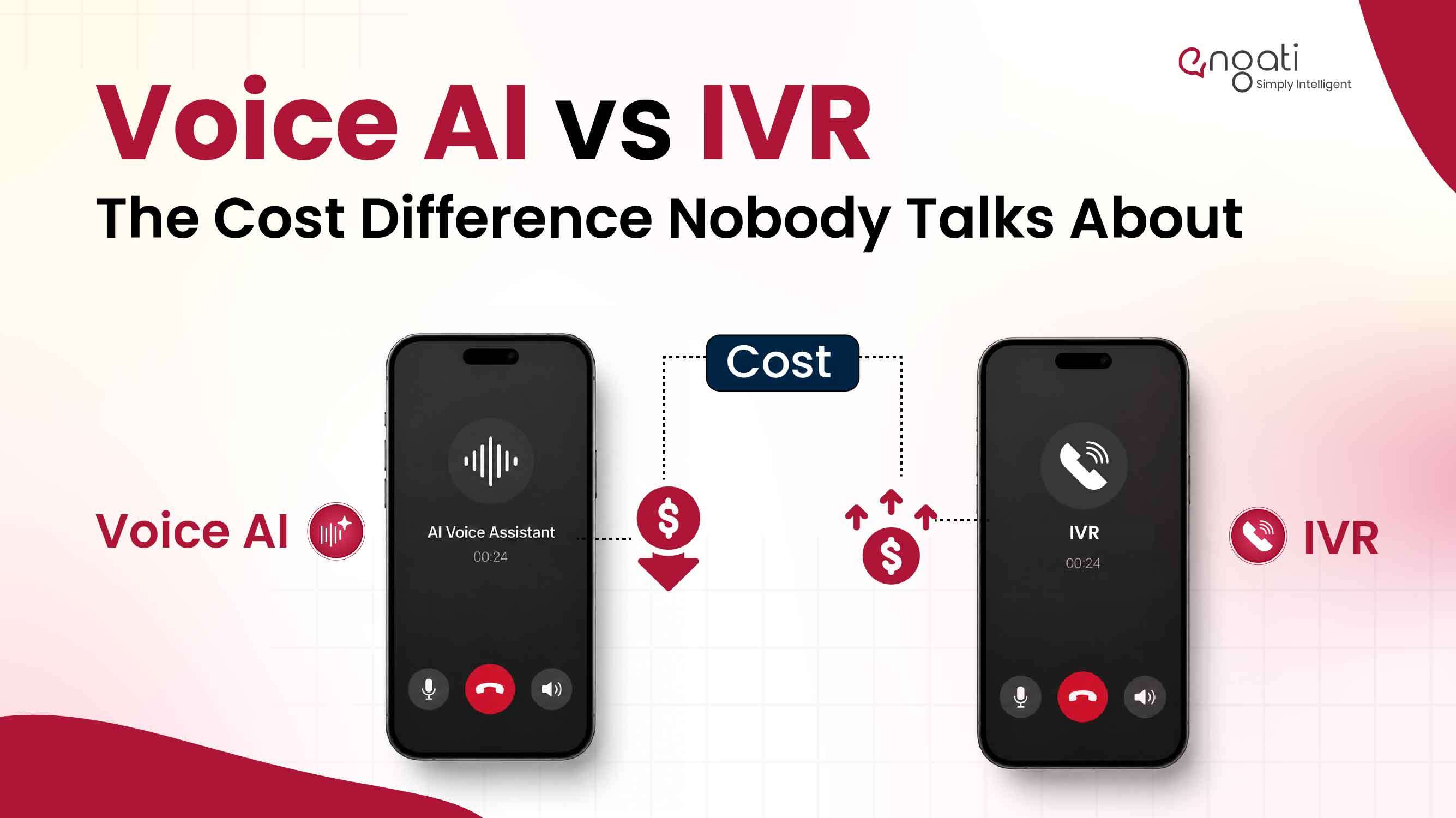
Compare Voice AI and IVR costs beyond setup and licensing. Learn how automation, containment rates, customer experience, and scalability impact ROI for you.