All Categories
WhatsApp AI for Re-Engaging Dormant Leads: A Playbook
Learn how to use WhatsApp AI to re-engage dormant leads, revive stalled conversations, boost conversions, and turn missed opportunities into revenue..
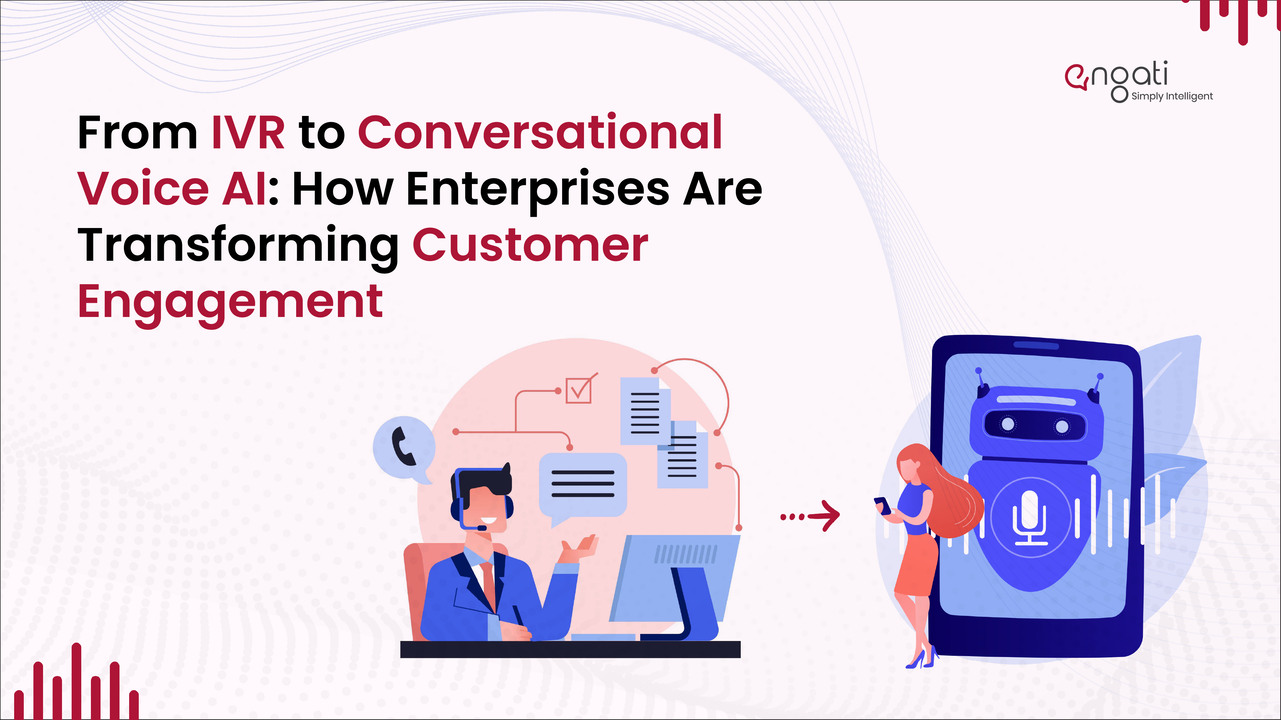
For decades, Interactive Voice Response (IVR) systems powered enterprise customer support. They helped route calls, reduce agent workload, and manage large contact center volumes. But today’s customer expectations have evolved faster than legacy systems.
Modern users want natural conversations, instant answers, and personalised support, not endless “press 1” menus. Traditional IVR often creates friction through rigid workflows, repeated inputs, and long resolution times. As a result, enterprises face declining customer satisfaction, rising operational costs, and growing pressure to modernise customer engagement.
This shift has accelerated the move toward Conversational Voice AI, an intelligent alternative that transforms phone-based interactions into dynamic, context-aware conversations. For many organisations, replacing or upgrading IVR is now a core step in digital transformation and customer experience strategy.
Traditional IVR systems rely on menu-driven navigation and limited speech recognition. They are designed primarily for routing calls rather than resolving customer issues. Conversational Voice AI, on the other hand, enables natural language conversations that understand intent and deliver real-time assistance.
Instead of navigating menus, customers can simply say what they need, for example, “I want to change my payment method” or “Track my order.” The AI interprets intent, retrieves information from integrated systems such as CRM or billing platforms, and provides personalised responses.
Key differences include:
Rather than replacing human agents, Voice AI augments them by automating repetitive queries and collecting relevant information before transferring complex cases.
Conversational AI removes friction from phone interactions. Customers speak naturally, receive immediate responses, and avoid repeated transfers. Faster resolutions and personalised conversations improve customer satisfaction and loyalty.
Enterprises can automate high-volume requests such as appointment bookings, account updates, balance inquiries, and order tracking. This reduces call handling time, lowers support costs, and enables teams to scale without increasing headcount.
For sales-focused workflows, Voice AI identifies high-intent prospects, gathers qualification data, and routes leads directly to specialists. This shortens sales cycles and ensures agents focus on opportunities with the highest conversion potential.
Unlike legacy IVR systems that provide limited reporting, conversational platforms generate rich interaction data, including intent patterns, sentiment analysis, and conversation outcomes. Enterprises can use these insights to optimise customer journeys and improve automation strategies.
Cloud-based Voice AI solutions scale instantly during peak demand periods such as seasonal spikes, service outages, or product launches. Enterprises avoid the need for expensive infrastructure upgrades while maintaining consistent service quality.
Across industries, organisations are adopting Voice AI to modernise customer engagement and automate routine interactions.
Many enterprises hesitate due to misconceptions around complexity, accuracy, and customer preferences.
“Voice AI is difficult to implement.”
Modern platforms integrate with existing contact centre systems, enabling phased adoption without disrupting operations.
“Customers only want human agents.”
Customers prioritise speed and accuracy. When routine issues are resolved quickly through automation, satisfaction often improves.
“AI accuracy is not reliable.”
Advances in natural language processing have significantly improved understanding across accents, languages, and conversational contexts.
“Security and compliance are major risks.”
Enterprise-grade solutions include encryption, role-based access control, and industry-specific compliance features for regulated sectors.
Voice interactions are becoming part of a larger omnichannel ecosystem where voice, messaging, chat, and conversational search work together seamlessly. Emerging trends include:
As AI models evolve, enterprises will shift from reactive customer support toward proactive engagement that anticipates needs before customers initiate contact.
Enterprises can begin their modernisation journey with practical, low-risk steps:
Organisations that move beyond legacy IVR systems gain more than automation, they unlock intelligent, scalable customer engagement that drives efficiency, improves satisfaction, and supports long-term growth.
All Categories
Learn how to use WhatsApp AI to re-engage dormant leads, revive stalled conversations, boost conversions, and turn missed opportunities into revenue..
All Categories
Discover how Voice AI identifies buying signals in real time, improves lead qualification, and enables sales teams to focus on high-intent prospects most likely
All Categories
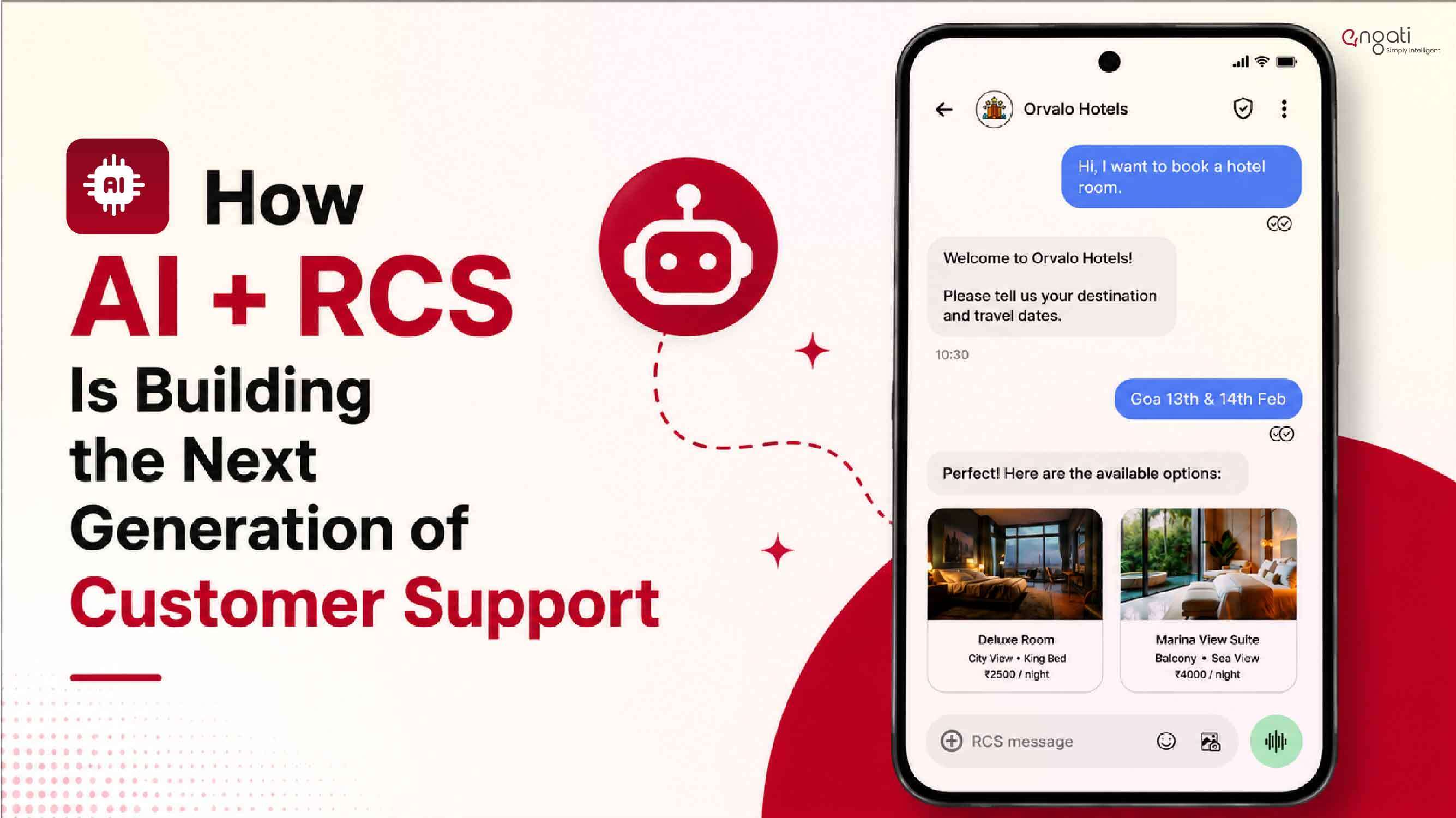
Discover how AI-powered conversational platforms and RCS messaging are transforming customer support with instant, scalable, and personalized engagement across