Tech Corner
Overcoming the challenges of computational linguistics
Thomas Wolf, the Co-Founder & Chief Scientist from Hugging Face, joins us on Engati CX to discuss the challenges of computational linguistics and how to overcom
Computational Intelligence (Soft Computing) is a new concept for advanced information processing. The objective of Computational Intelligence approaches is to realize a new approach for analyzing and create flexible information processing of humans such as sensing, understanding, learning, recognizing, and thinking.
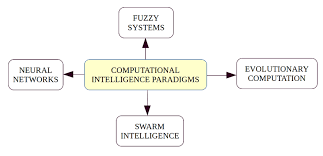
It is the theory, design, application, and development of biologically and linguistically motivated computational paradigms. Traditionally the three main pillars of CI have been:
However, in time many nature-inspired computing paradigms have evolved. Thus CI is an evolving field and at present in addition to the three main constituents, it encompasses computing paradigms like ambient intelligence, artificial life, cultural learning, artificial endocrine networks, social reasoning, and artificial hormone networks.
AI is the study of intelligent behavior and how to make machines do things at which humans are doing better. AI is one of the technological breakthroughs of this digital era which aims at emulating human intelligence on machines to make them think and behave like human beings. AI is based on the idea that human intelligence could be replicated in computer programs. Although, the idea of creating intelligent machines – ones that are as smart as or smarter than human beings – is not new it became part of modern science with the rise of digital computers and the proliferation of the internet. On the practical side, AI means to create computer programs that perform tasks as well as or better than humans. In simple terms, AI is human intelligence demonstrated by machines.
Artificial Intelligence (AI) is the study of intelligent behavior demonstrated by machines as opposed to the natural intelligence in human beings. It is an area of computer science that is concerned with the development of a technology that enables a machine or computer to think, behave, or act in a more humane way. Computational Intelligence (CI), on the other hand, is more like a sub-branch of AI that emphasizes on the design, application and development of linguistically motivated computational models. It is the study of adaptive mechanisms to enable or facilitate intelligent behavior in complex and changing environments.
Tech Corner
Thomas Wolf, the Co-Founder & Chief Scientist from Hugging Face, joins us on Engati CX to discuss the challenges of computational linguistics and how to overcom
Drive to Reimagine
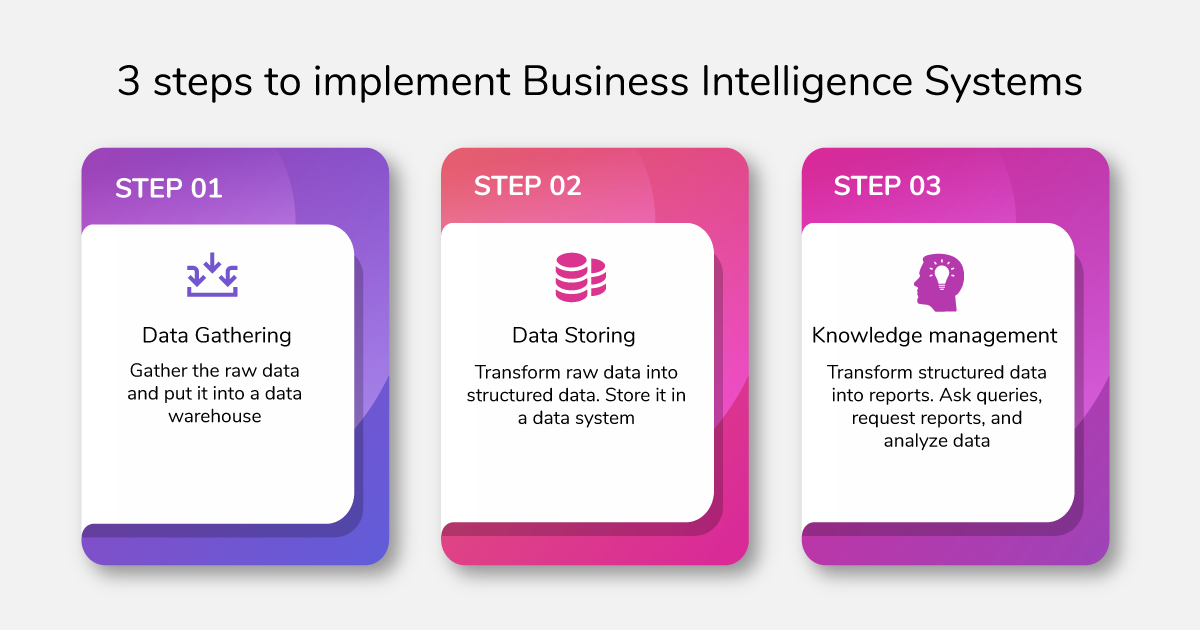
Real-time data is the need of the hour for Business Intelligence. But are your systems holding you back? Here’s how to empower your organization with chatbots.

Drive to Reimagine
Chatbots have revolutionized customer service by making it faster, cheaper, and more efficient and are a necessity for small and medium level businesses.