Whatsapp Marketing
Create WhatsApp Bot for Free in 5 Mins With No Code (2025)
Learn how to create a WhatsApp bot in 5 minutes with easy steps. Discover WhatsApp integration tips, explore use cases & get a chatbot demo with free trail.
Load balancing is a networking solution that efficiently distributes incoming network traffic across multiple backend servers in a server farm or a server pool.
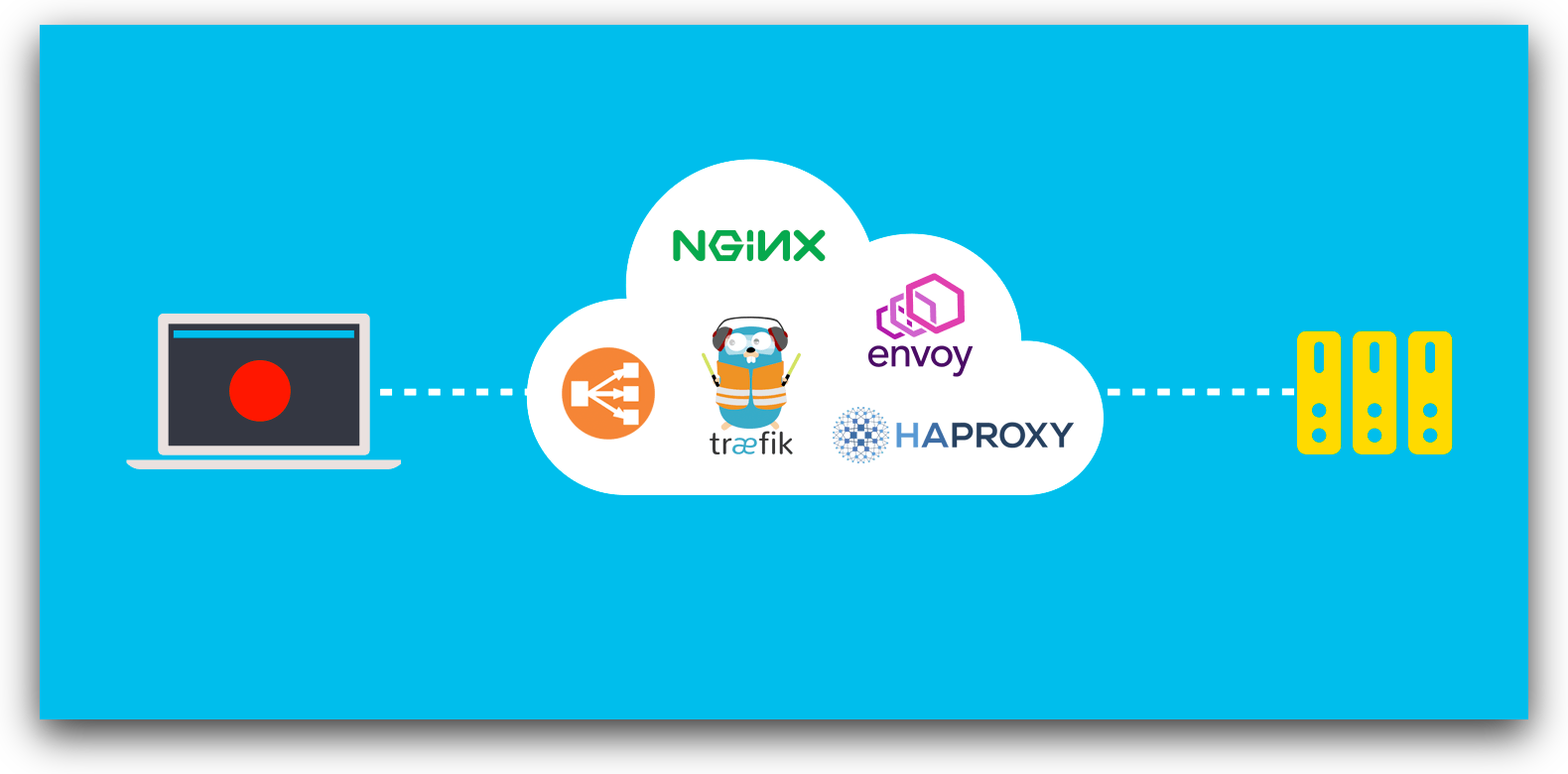
A high-traffic website receives hundreds of footfall and data requests daily. The system needs to respond or cater to the requests and present the right information, text, images, video, or application data, in real-time. For this, it needs to crawl over the right server and data source and present the same as quickly as possible. Load balancing ensures that no single server bears too much demand or load and helps the overall processing & functioning of the network system, making it more efficient and faster. It also optimizes the response time and avoids unevenly overloading time required to load data & information from these servers to the website user.
The load balancing mechanism works as a gatekeeper to the server pool and directs the appropriate amount of requests and load to the individual servers to avoid overloading and server failure. There are multiple methods and algorithms to manage the load balancing and utilize the servers to their optimum capacity.
Load balancing also takes care of the system and data mapping in case of failure or addition of a new server and it keeps on routing and re-mapping the requests to the right server.
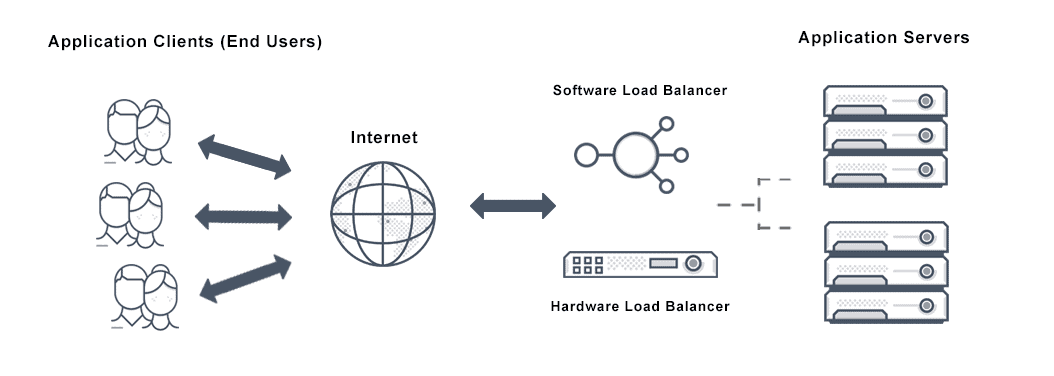
Load balancing works on hardware-based or software-based applications called load balancers. This load balancer distributes the incoming network traffic through web servers and directs them towards the right application servers.
Hardware load balancers (HDL) require the installation of a dedicated physical appliance; whereas, software-based load balancers can run on a server, virtual machine, or on the dedicated cloud.
As seen in the picture above website users requests certain information or data on the internet > that triggers the internal network system > and that request goes into the load balancer > the load balancer then looks for the available server to get that piece of information or key.
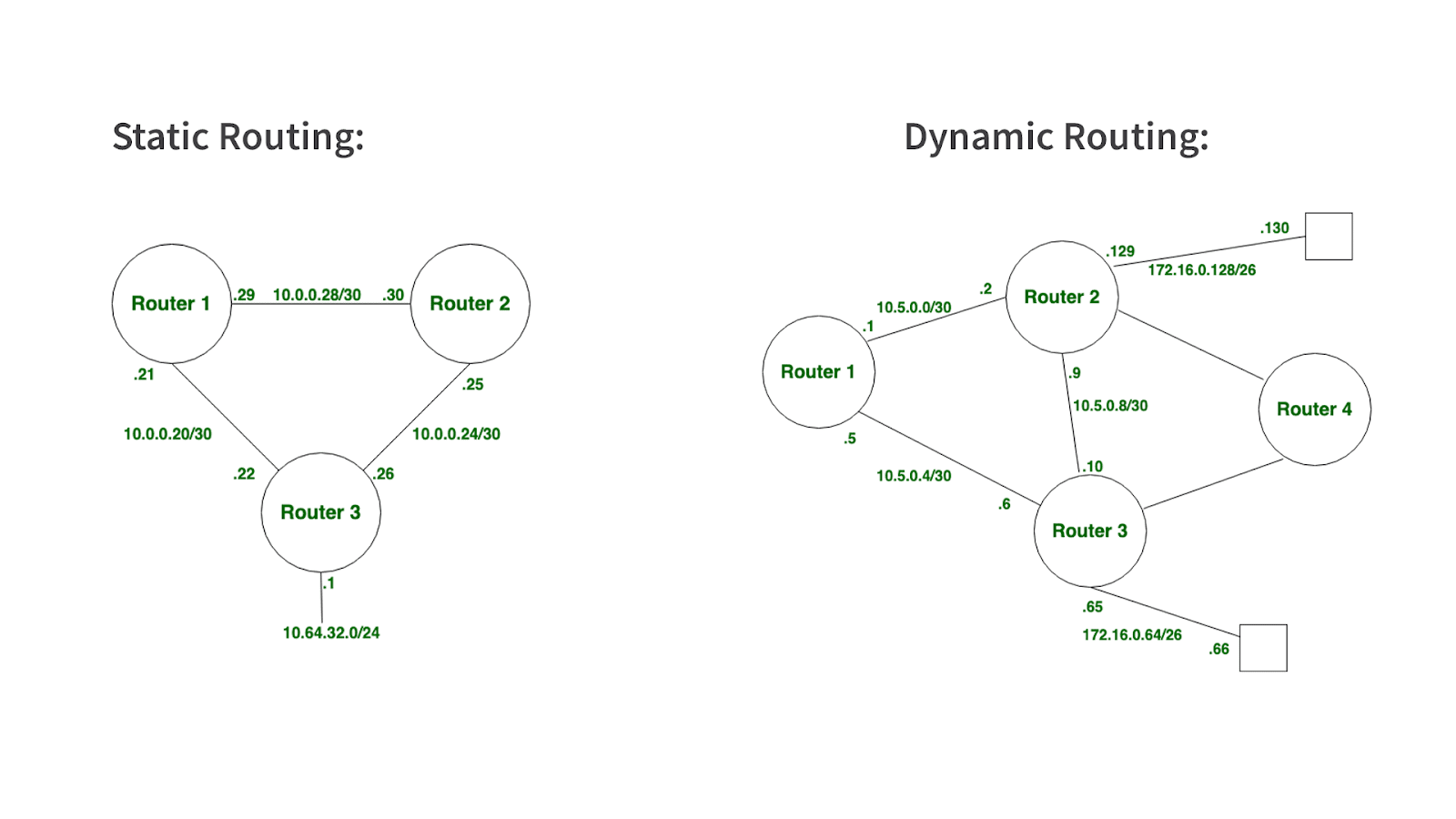
The routing mechanism of load balancing could be Static or Dynamic.
Under a static routing system, LB routes the request in a structured manner to the dedicated server or system-designed servers routes rather than randomly allocating the request to any server available. Static Routing is also known as non-adaptive routing as it does not change the routing table/paths or mapping unless changed by the network administrator manually.
On the other hand, a Dynamic routing load balancer randomly routes the service request depending on the topology or availability of the servers. This method is also called adaptive routing as it can change the routing as per the routing table or mapping table as per the traffic and service requests.
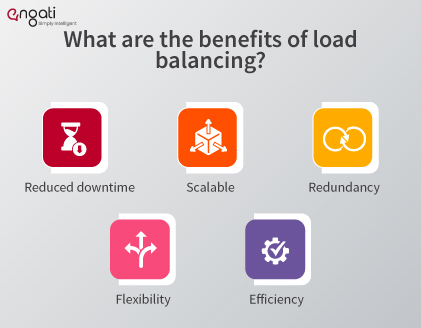
Load balancing can do more than just being a network traffic police or gatekeeper. It provides benefits like reducing downtime and scalability. Software load balancers (SLBs) can do predictions and determine expected traffic bottlenecks long before they occur and prepare the organization to take necessary action around system mapping in advance.
As we've discussed above load balancers actively route and distribute the request through servers and save them from crashing and overloading. Load balancers actively re-route the mapping from the routing table on the addition of a new server or removal of any.
If requests and loads are equally distributed across the system, it enhances the overall performance and optimizes the load time per request.
Appropriate allocation helps system administrators to understand the requirement of servers required for the organization as they can measure the capacity and performance of servers through load balancing applications.
The risk of redundancy of individual servers goes down because of the balancing mechanism, as load balancing rightly distributes the load across all the servers available.
Load balancing increases the flexibility of the entire system as the risk of crashing, overloading, and un-proportional distribution is taken care of well in advance.
Load balancing also improves the efficiency of individual servers as it distributes client requests or network load evenly across all servers.
Under this algorithm, the load server distributes the load based on a rotating list or sequentially. It takes the request from the system and routes those requests to dedicated servers without considering the existing load. A lot of processor-intensive requests on a few servers may cause overloading and can cause danger to the system.
Unlike the round-robin algorithm, the least connection method considers the existing distribution and load on each server and route the client requests to the least connected (loaded) server. This is one of the best methods and the algorithm that provides superior performance to the system.
The least response time method algorithm is the more refined algorithm as compared to the least connection method that calculates the least time taken by the server to process a client request. It automatically asses the health of servers and the load they are bearing and routes the new requests to the fast responding servers.
The least bandwidth method algorithm considers the bandwidth (number of requests served) of each server, and route the client requests to the least engaged servers from the server farm.
Under hashing method, the system route requests based on the client IP address, keys, or the request URL mapped by the system design administrators.
Under this algorithm, the system administrator defined loads of each server based on the CPU usage, memory, and response time via SNMP. The load balancer route the request based on the above calculation and distribute the load accordingly.
Whatsapp Marketing
Learn how to create a WhatsApp bot in 5 minutes with easy steps. Discover WhatsApp integration tips, explore use cases & get a chatbot demo with free trail.
Future of CX
200 most powerful influencers from customer experience, digital transformation, marketing automation, and technology domain that you need to follow in 2022.
Chatbot
Learn what a healthcare chatbot is and how to build a medical AI chatbot. Explore its benefits, types, use cases, and the top 20 bot examples. Learn more.